Looking for a place that feels connected and convenient without feeling oversized? Kensington offers that rare mix. You get a compact town center, a walkable historic core, everyday parks and local shops, plus easy access to the larger DC suburbs. If you are wondering what day-to-day life here actually feels like, this guide will help you picture the rhythm of living in Kensington. Let’s dive in.
Why Kensington feels distinct
Kensington is small in size but strong in identity. The incorporated Town of Kensington covers about one square mile, while the 20895 ZIP code reaches beyond the town itself. That detail matters because not every Kensington mailing address sits inside the town boundary.
In practical terms, everyday life here often feels more neighborhood-centered than sprawling. The Town of Kensington describes the area as a small-town setting with shopping and dining in town and access to Washington, Baltimore, and Annapolis. That combination gives you a local, lived-in feel with regional convenience.
A historic core with a walkable pattern
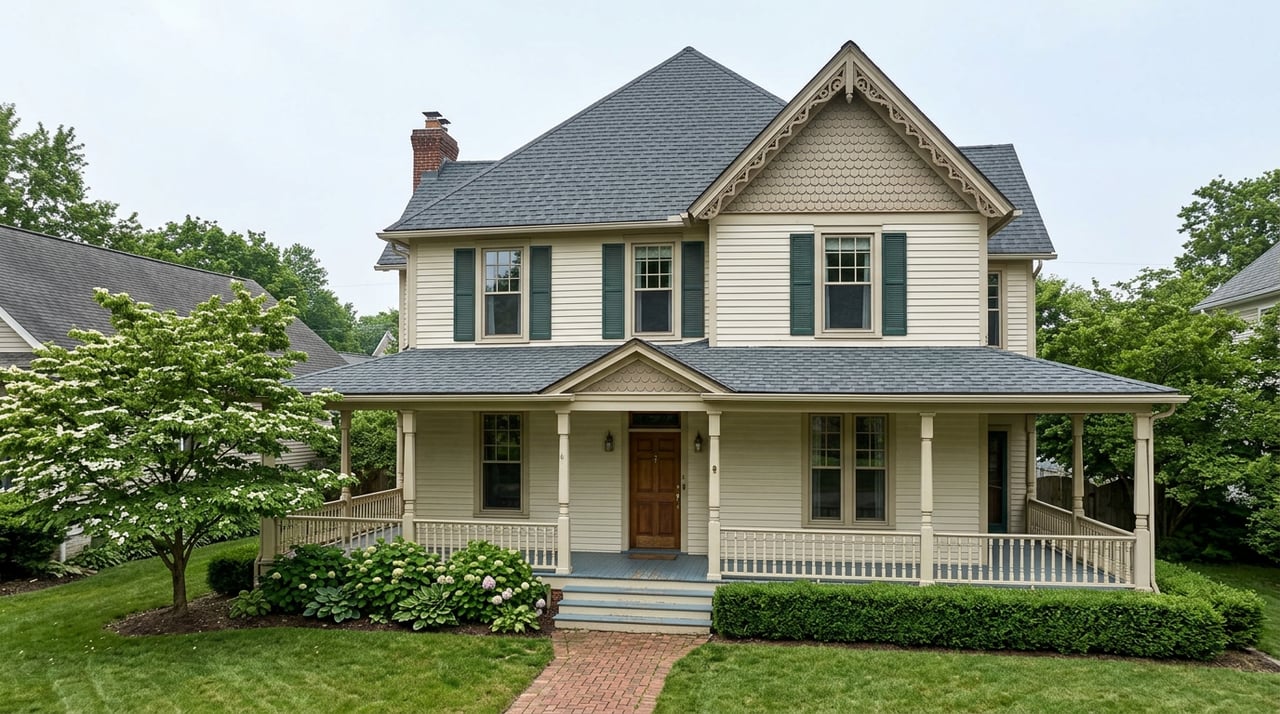
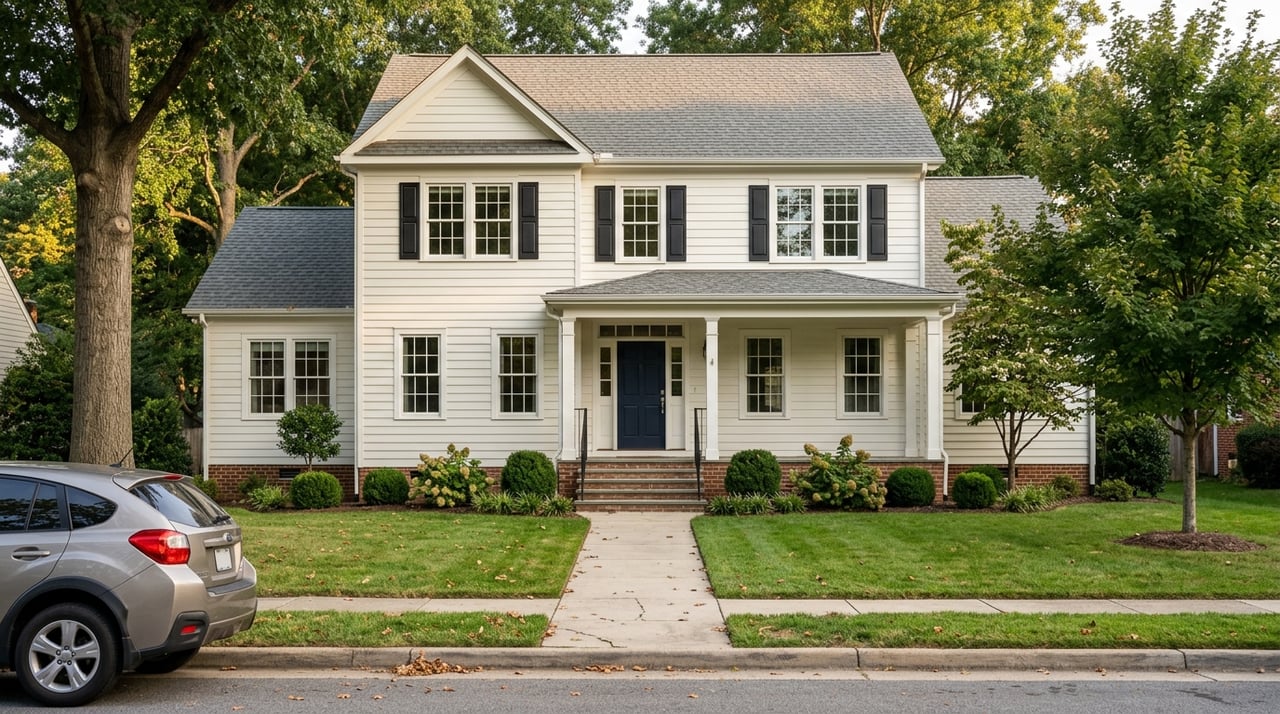
The historic heart of Kensington has a distinct layout and look. Preservation sources describe it as a turn-of-the-20th-century garden suburb with curving drives, tall trees, brick sidewalks, uniform setbacks, and homes with features like wraparound porches.
That built pattern shapes how the town feels on foot. Even a short walk can include tree-lined streets, older homes with architectural detail, and a compact commercial area near Howard Street and the railroad tracks. If you value a place with visible history and a clear town center, Kensington stands out.
Parks shape daily routines
One of the easiest ways to understand Kensington is to look at how people spend a normal Saturday or an after-dinner hour. Parks are woven into daily life here. The town says it maintains six town parks, and there are also four county parks in the area.
That park network supports simple routines that many buyers look for. Think playground visits, quick walks, picnic lunches, casual meetups, and outdoor community events. You do not need a major destination to enjoy time outside here.
Town parks for short outings
Several town parks add different kinds of usable green space. Clum-Kennedy Park is described as a quiet meditative garden. Flinn Park includes a fountain and picnic tables, while Howard Avenue Park hosts the Kensington Historical Society’s summer concert series.
St. Paul Park offers more active amenities. It includes a tot lot, basketball court, walking track, ball field, grills, and a picnic pavilion. If your ideal neighborhood includes flexible outdoor space for different ages and routines, that variety is a real plus.
County parks add more options
The county park system expands the menu. Kensington Cabin Local Park includes basketball courts, playgrounds, softball fields, tennis courts, and an activity building. Warner Circle Park preserves 4.5 acres in the center of the historic district.
Kensington Parkway Stream Valley Park adds open space south of the railroad tracks. Together, these parks give you a mix of active recreation and quieter green corridors. For many buyers, that helps make everyday life feel balanced and easy.
Shops and dining stay close to home
Kensington’s business district is part of its appeal. The Town’s Explore Kensington materials describe it as a vibrant social community with art galleries, music, restaurants, shops, and a year-round farmers market. Many attractions are within walking distance, which supports a more local routine.
This is not a place defined by a chain-heavy commercial strip. The day-to-day mix is more local and independent. That can make errands and casual outings feel more personal and less repetitive.
What everyday convenience looks like
A few examples help paint the picture. Java Nation serves as a coffee house and cafe. The Dish & Dram offers a neighborhood gastropub setting, and Knowles Station Wine & Co. blends dining, wine, craft beer, and retail.
You will also find specialty stops like Knowles Apothecary and long-running local names like Continental Pizza, which has served the community since 1967. In real life, that means a coffee run, casual meal, or specialty purchase may happen right in town instead of turning into a longer drive.
Events add energy throughout the year
Kensington is not just about the physical setting. It also has a calendar of recurring local events that gives the town a steady social rhythm. Town materials point to the Labor Day Parade and Festival, the Fourth of July Bike Parade, the Day of the Book Festival, the Kensington Car Show, the Kensington 8K, and Food Truck Nights.
These events help define what it means to live here. They create repeat reasons to head into town, see neighbors, and enjoy the public spaces that make Kensington feel connected. For buyers relocating from a denser urban area or from a quieter suburb, that middle ground can be especially appealing.
The farmers market is a local anchor
Some neighborhoods have a feature that tells you a lot about the local lifestyle in one snapshot. In Kensington, that is the year-round farmers market at the MARC station. It takes place every Saturday from 9 a.m. to 1 p.m.
That kind of weekly routine matters more than it may seem on paper. It gives structure to the weekend, supports local shopping habits, and brings people into the center of town on a regular basis. If you are the kind of person who wants built-in neighborhood habits, this is one of Kensington’s clearest lifestyle markers.
Commuting from Kensington
Kensington works well for people who want a small-town home base with connections to the larger region. The town has its own MARC station on the Brunswick Line at 3701 Howard Avenue. According to MTA, the line runs between Brunswick and Washington Union Station and also extends to Frederick and Martinsburg.
That creates a useful option for commuters who need regional access. The station has 45 parking spaces, and MTA notes that parking is limited. It also connects with Ride On routes 4, 33, and 34.
Transit connections beyond MARC
Bus service adds more flexibility. Montgomery County Route 4 links Wheaton Metro Station, Kensington, and Silver Spring Metro Station. Route 34 connects Wheaton, Kensington, NIH-Medical Center Station, Bethesda, and nearby stops.
For Red Line access, nearby stations include Forest Glen and Wheaton. The larger takeaway is simple: Kensington can function as a quieter residential base while still keeping you tied into Silver Spring, Rockville, Bethesda, and downtown Washington. For many buyers, that balance is exactly the point.
Homes in Kensington vary more than people expect
If you only picture Victorian-era homes, you are seeing just one part of the story. Kensington does have a strong historic identity, especially in the historic district. The Maryland Historical Trust describes the area as being dominated by late-19th- and early-20th-century houses with features like wraparound porches, stained glass windows, curving brick sidewalks, and mature trees.
But the housing stock is broader than that. The Kensington Historical Society notes that after World War II, larger tracts of land were developed in and around Kensington, adding more conventional suburban housing. So depending on where you look, you may find both older character homes and more typical mid-century or later suburban options nearby.
Architectural styles you may see
Kensington’s architectural mix is one reason many buyers stay interested after their first visit. Preservation sources identify styles and influences that include:
- Queen Anne
- Shingle
- Colonial Revival
- American Four-Square
- Bungalow
- Federal Revival
- Gothic Revival
- Functional and Victorian/Eastlakian influences
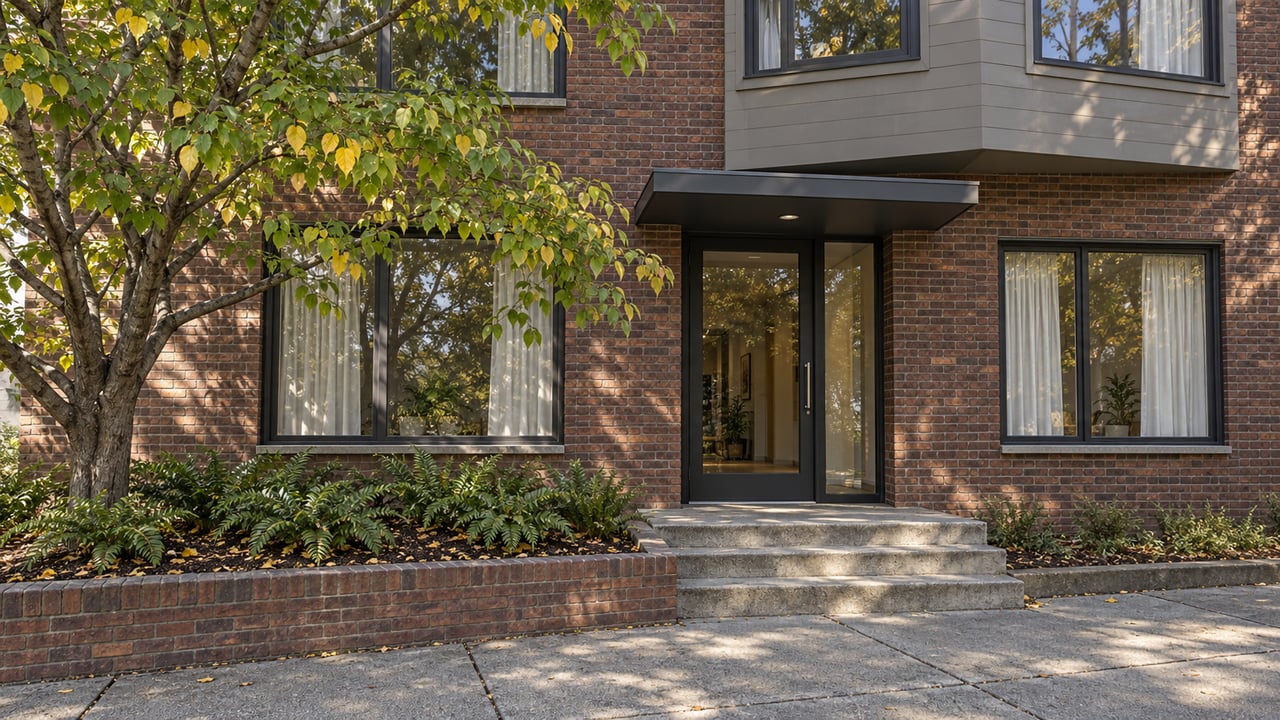
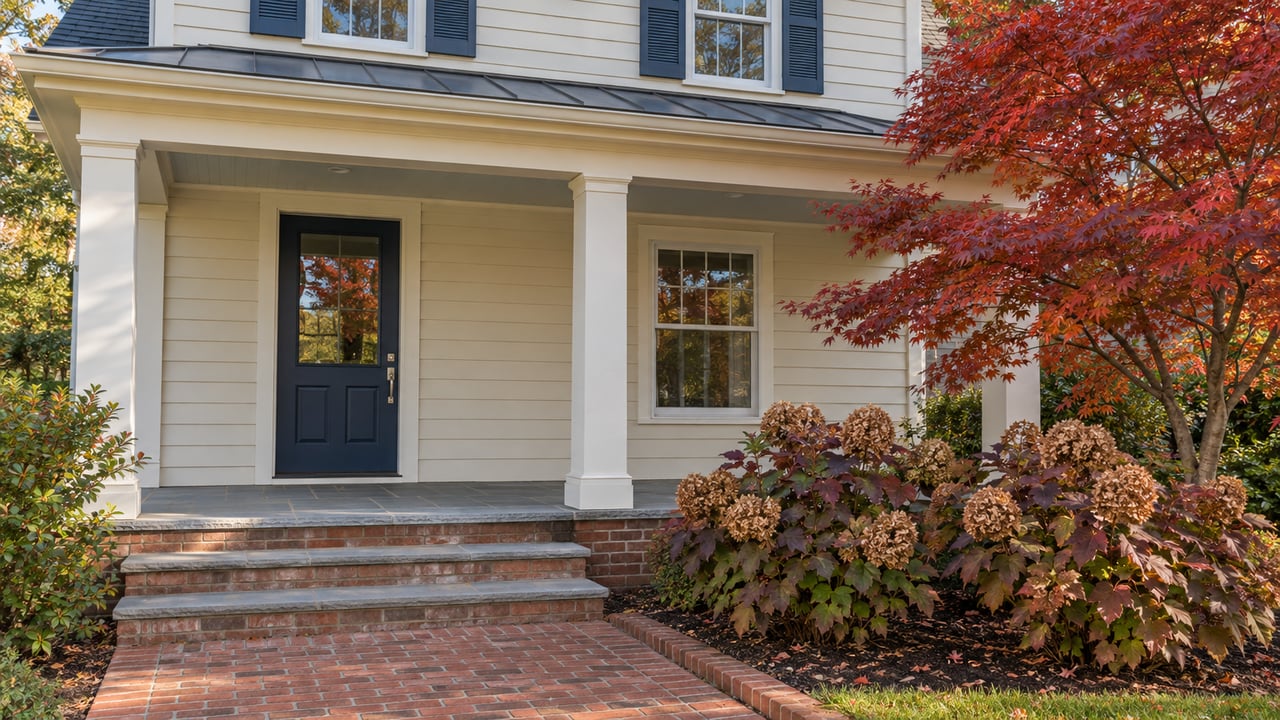
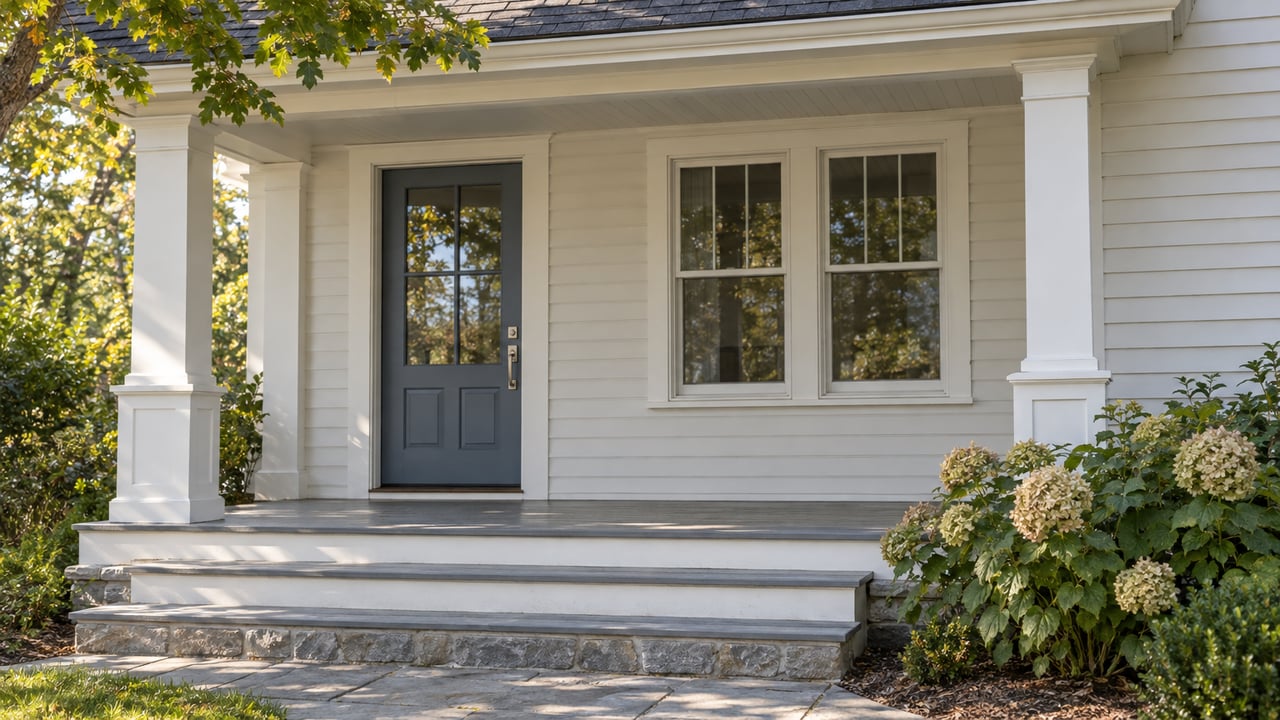
For some buyers, that means a chance to find a home with original detail and a stronger sense of period character. For others, the appeal is the broader mix of housing types in and around town, including more conventional homes that may fit a different budget, layout preference, or renovation plan.
A practical note for buyers and owners
If you are shopping in the historic district, exterior changes may be subject to county preservation review. That does not make historic homes less appealing, but it is an important detail if you are thinking about renovations or exterior updates.
This is where hyperlocal guidance matters. In a place like Kensington, block-by-block differences can shape your options, from the feel of the streetscape to the style of homes you see to the kinds of improvements that may need review.
Who Kensington tends to fit well
Kensington can appeal to different kinds of buyers because it combines several things at once. You get a compact town center, transit access, local parks, older architecture, and a wider set of housing options in the surrounding area.
You may want to take a closer look at Kensington if you are looking for:
- A walkable local center with shops and dining
- Parks and green space built into daily life
- A small-town feel within reach of DC-area job centers
- Older homes with architectural character
- A mix of historic and more conventional suburban housing
- A neighborhood where weekend routines can stay close to home
For sellers, those same traits can be important talking points. Buyers are often not just comparing square footage. They are also comparing pace of life, park access, commuting options, and whether a neighborhood feels like a real place instead of just a location on a map.
Why local guidance matters here
Kensington looks simple from the outside, but it has useful nuance. The town boundary is not the same as the broader 20895 ZIP code. The historic district has a different housing feel than nearby postwar sections. The commercial core is compact, and commuting choices depend on your route and routine.
That is exactly why working with a neighborhood-focused brokerage can help. When you are buying or selling in a place with this much character and variation, practical local knowledge makes it easier to understand value, lifestyle fit, and what to expect from one pocket of Kensington to the next.
Whether you are drawn to the historic homes, the parks, or the convenience of a compact town center, Kensington offers a lifestyle that feels grounded and connected. If you want help understanding where your priorities fit best, reach out to Licia Galinsky for local, hands-on guidance.
FAQs
What is everyday life like in Kensington, MD?
- Everyday life in Kensington often revolves around a walkable town center, local parks, independent shops and restaurants, community events, and a year-round Saturday farmers market.
Are all Kensington, MD addresses inside the Town of Kensington?
- No. The incorporated Town of Kensington is about one square mile, while the 20895 ZIP code extends beyond the town boundary.
What parks are in Kensington, MD?
- Kensington includes town parks such as Clum-Kennedy Park, Howard Avenue Park, Flinn Park, and St. Paul Park, along with county parks like Kensington Cabin Local Park, Warner Circle Park, and Kensington Parkway Stream Valley Park.
Is Kensington, MD good for commuting?
- Kensington offers a MARC station on the Brunswick Line, Ride On bus connections, and access to nearby Red Line stations at Forest Glen and Wheaton, which supports commuting to places like Silver Spring, Bethesda, Rockville, and Washington.
What kinds of homes are in Kensington, MD?
- Kensington includes late-19th- and early-20th-century homes in the historic district along with more conventional suburban housing developed after World War II in and around the area.
Do historic homes in Kensington, MD have renovation rules?
- In the historic district, exterior changes may be subject to county preservation review.