Wondering whether you should modernize your older Kensington home before listing it? In many cases, the better move is not to erase its age, but to help buyers see its charm, function, and care. If you own a Cape Cod, colonial, or bungalow in Kensington, smart staging can make your home feel current without stripping away the details that make it special. Let’s dive in.
Why older Kensington homes need a different staging approach
Kensington is not a place where every home is meant to look brand new. Montgomery Planning notes that the town has a strong historic identity, with the Kensington Historic District designated in 1986 and about 180 buildings in the district. The town’s 2019 to 2023 ACS profile also shows that about 81% of housing units were built in 1969 or earlier.
That matters when you get ready to sell. Many buyers looking in Kensington expect older homes with original trim, porches, built-ins, and smaller room proportions. The goal is to present those features as part of the home’s value, not as something to cover up.
Why staging still matters in Kensington
Even in a seller’s market, presentation influences how buyers compare homes. Realtor.com reported Kensington as a seller’s market in April 2026, with a median listing price of $1.05 million and median days on market of 26. That pace is strong, but it still gives buyers enough time to notice which homes feel polished and easy to picture themselves in.
Staging helps shape that first impression. According to the National Association of Realtors’ 2025 Profile of Home Staging, 83% of buyers’ agents said staging made it easier for buyers to visualize a home as their future residence. The same report found that 49% of sellers’ agents said staging reduced time on market, and 29% said it increased the dollar value offered by 1% to 10%.
Focus on character, not overcorrection
If your home has original wood floors, solid trim, a classic fireplace, or a welcoming front porch, those features should stay part of the story. Montgomery Planning’s Kensington design guidance emphasizes reinforcing the town’s identity through authentic architectural elements, including materials, windows, doors, and ornamentation. The National Park Service rehabilitation standards support the same idea by encouraging owners to retain historic character and repair features rather than replace them when possible.
In practical terms, that means your pre-listing plan should usually start with cleaning, repair, and styling. A well-staged older home feels fresh and functional, but it should still feel like a Kensington home.
Stage the rooms buyers care about most
You do not need to stage every corner of the house to make an impact. NAR’s 2025 staging report found that buyers’ agents ranked the living room as the most important room to stage, followed by the primary bedroom and kitchen. The most commonly staged rooms were the living room, primary bedroom, dining room, and kitchen.
For many older homes in Kensington, those same rooms carry the most weight because they help buyers understand how the house lives day to day. If your budget is limited, start there.
Living room
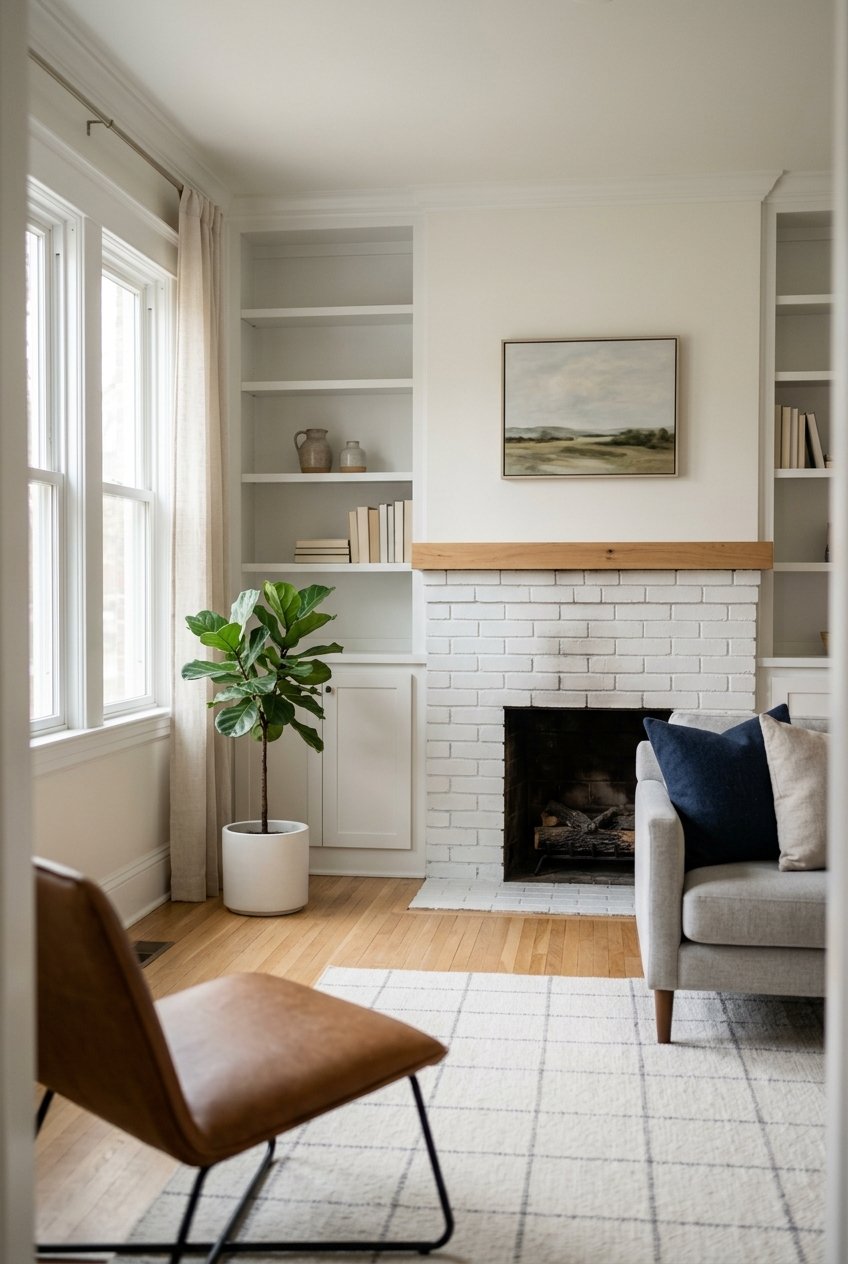
The living room often sets the tone for the whole showing. In older homes, this room can feel smaller than buyers expect, so furniture scale matters. Choose fewer pieces, keep walkways open, and avoid blocking windows or built-ins.
If you have original millwork, a fireplace, or charming windows, let those details breathe. The room should feel calm, usable, and bright in photos.
Primary bedroom
A crowded bedroom can make an older house feel tighter than it is. Use simple bedding, clear off dressers and nightstands, and remove extra furniture that makes the room feel cramped. Buyers should be able to walk in and immediately understand placement and flow.
Soft textures and clean lines can make the room feel current without fighting the home’s age. You want comfort, not a showroom look.
Kitchen
You do not always need a full renovation to improve how an older kitchen shows. In many cases, buyers respond well to a kitchen that is clean, bright, and thoughtfully edited. Clear counters, polish hardware, replace tired lighting if needed, and make sure every surface feels spotless.
If the kitchen has vintage elements in good condition, they may read as character rather than a drawback. What hurts more is grime, clutter, or signs of neglect.
Dining room and entry
These spaces help buyers connect the layout. A dining room should show a clear purpose, especially if the home has several smaller rooms instead of an open plan. An entry should feel welcoming, not crowded with shoes, coats, or extra furniture.
These are often easy wins. A clean rug, scaled furniture, and better lighting can go a long way.
Make small updates that photograph well
For many older Kensington homes, light prep beats a major remodel. The research supports a strategy focused on visible improvements that help buyers focus on the home itself instead of minor flaws.
Before listing, consider updates like these:
- Fresh paint in a calm, simple palette
- Updated light fixtures where existing ones feel dated or dim
- Clean caulk in baths and kitchens
- Repaired or tightened hardware on doors and cabinets
- Doors that close smoothly
- Spotless windows to maximize natural light
- A deep clean throughout the home
These fixes are often more effective than expensive changes that do not match the home’s style. They also help your listing photography look sharper and more consistent.
Keep furniture scaled to the home
One of the biggest staging mistakes in older homes is oversized furniture. Many Kensington houses were built with more defined rooms and narrower circulation paths. A huge sectional or heavy dining set can make the whole layout feel smaller.
Use furniture that matches the room’s proportions. Leave enough open space so buyers can see flooring, trim, and how each room connects to the next. When sightlines are open, the home often feels larger and more functional.
Let original details do some of the selling
Older homes often have the kinds of features buyers cannot easily recreate. Think built-in shelving, original stair rails, solid wood doors, divided-light windows, or an inviting front porch. These details can create emotional pull when they are clean, repaired, and thoughtfully framed.
You do not need to overdecorate around them. In fact, simpler styling often works better. If buyers can clearly see the craftsmanship, they are more likely to remember the home.
Refresh curb appeal with restraint
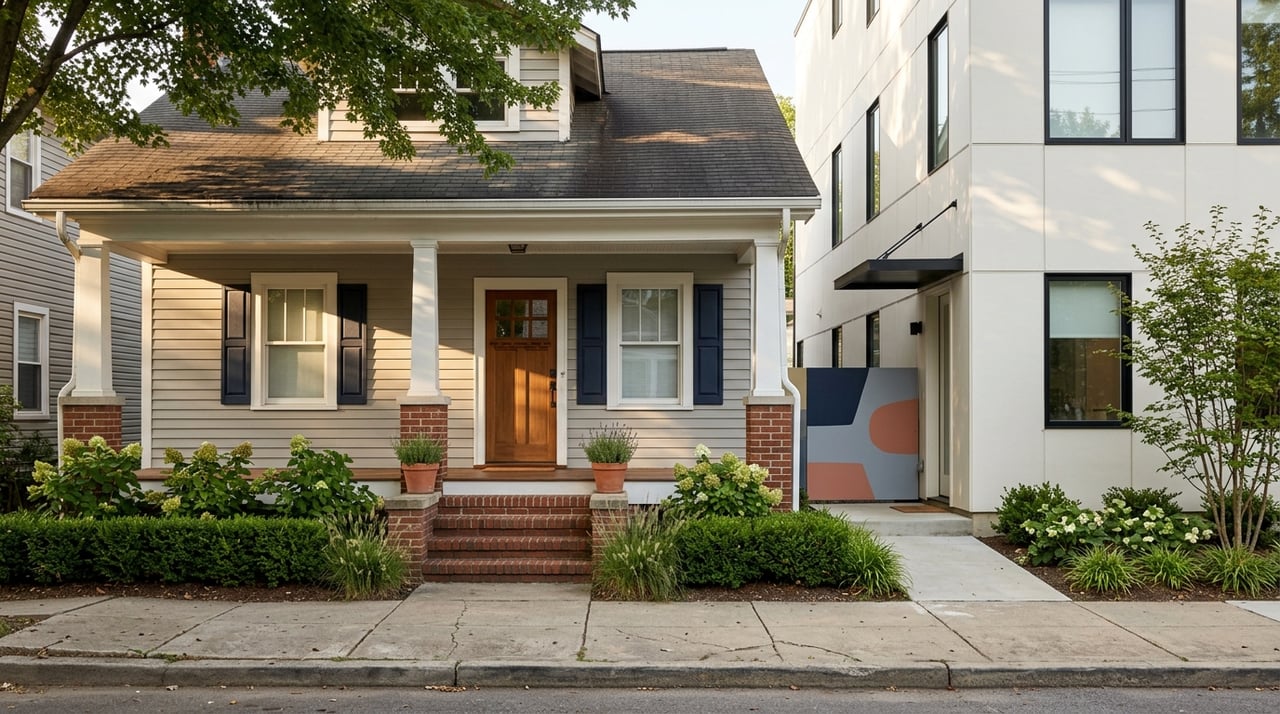
The outside of the home sets expectations before buyers even walk in. Kensington’s design guidance points to a setting shaped by trees, plantings, and walkability. For sellers, that usually means aiming for a cared-for exterior rather than an overly dressed-up one.
Focus on straightforward improvements like these:
- Fresh mulch and tidy planting beds
- Trimmed shrubs and trees where needed
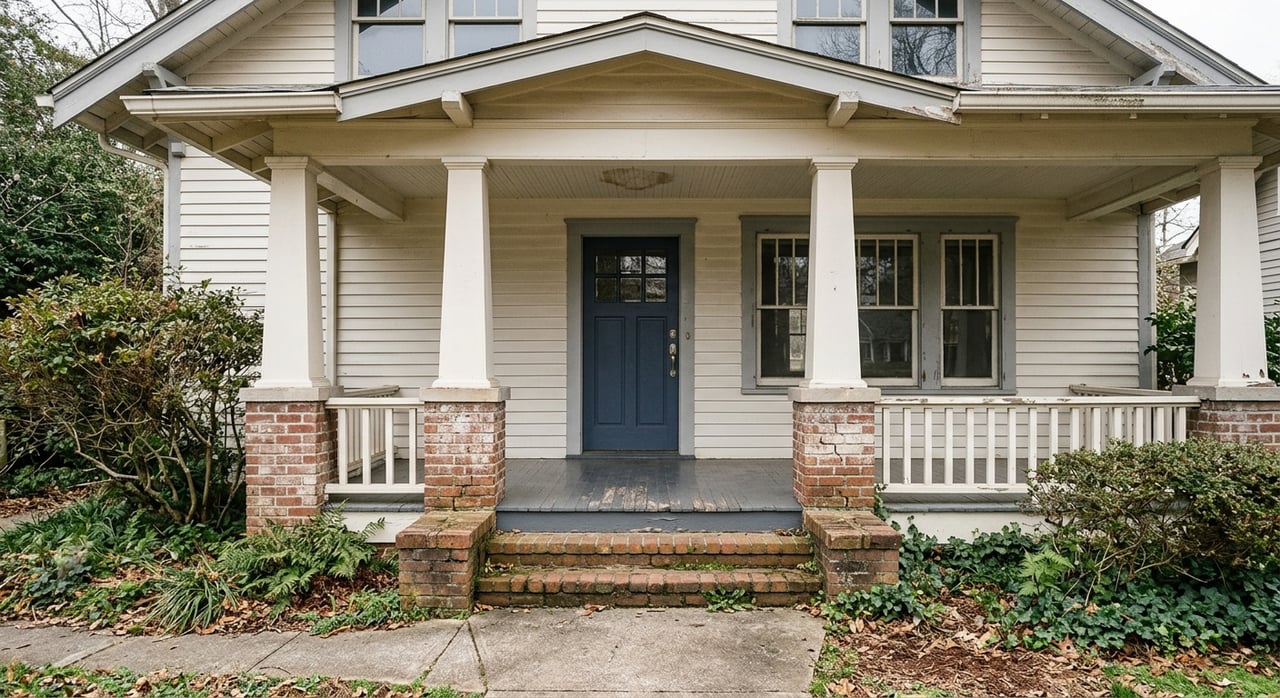
- A clean, uncluttered porch
- Healthy container plants
- A freshly cleaned or painted front door
- Working exterior lighting
- Easy-to-read house numbers
- A clear, neat front walk
This kind of curb appeal supports the home’s style without making it feel artificial.
Be careful with exterior changes in historic areas
If your home is listed on the Locational Atlas or the Montgomery County Master Plan for Historic Preservation, some exterior work may require a Historic Area Work Permit. Montgomery Planning says a HAWP may be needed for changes such as window replacement, siding or roof replacement, porch changes, fences and retaining walls, tree removal, and painting masonry surfaces.
At the same time, Montgomery Planning notes that interior changes, ordinary maintenance, exterior repairs that retain original materials, and paint color selection do not require a HAWP. If you are thinking about exterior updates before listing, it is smart to check historic status early so your timeline does not get thrown off.
A practical staging plan for today’s buyers
If you want the short version, here it is: do less, but do it well. Buyers in Kensington are often responding to a mix of charm and livability. The best staging plan helps them see both.
A strong approach usually looks like this:
- Declutter and depersonalize without stripping the home of warmth
- Deep clean every room and every visible surface
- Repair small flaws that create doubt
- Stage the living room, primary bedroom, kitchen, and dining room first
- Use scaled furniture and keep sightlines open
- Highlight original details instead of hiding them
- Refresh curb appeal in a simple, historically sympathetic way
- Check historic rules before making exterior changes
This is where local, renovation-aware advice can really help. An older home often needs a tailored plan, not a generic checklist.
If you are getting ready to sell in Kensington, the right prep can help your home feel current, cared for, and true to itself. That balance matters, especially in a market where buyers are comparing condition, layout, and character side by side. When you want practical guidance on staging, listing prep, and what is worth doing before you hit the market, talk with Licia Galinsky.
FAQs
What rooms should you stage first in an older Kensington home?
- Start with the living room, primary bedroom, kitchen, and dining room. NAR’s 2025 staging report found these are among the most important rooms for helping buyers visualize the home.
Should you remodel an older Kensington home before selling it?
- Usually, light cosmetic updates and thoughtful staging make more sense than a major remodel. Fresh paint, lighting, repairs, and a deep clean often help buyers focus on character and function.
Should you replace original trim or windows before listing a Kensington home?
- Not automatically. Preservation guidance from the National Park Service supports repairing original features when possible and keeping replacement work compatible with the home’s original design.
How much does home staging cost for a Kensington seller?
- NAR reported a median spend of $1,500 for a staging service in 2025. The same report said the median cost was $500 when the seller’s agent personally staged the home.
Do historic Kensington homes need approval for exterior work before listing?
- Sometimes. If the property is on the Locational Atlas or the Montgomery County Master Plan for Historic Preservation, certain exterior changes may require a Historic Area Work Permit through Montgomery Planning.
What helps curb appeal most for an older Kensington home?
- Simple, well-kept details tend to have the biggest impact, including trimmed shrubs, fresh mulch, a clean porch, healthy plants, good lighting, and a neat front walk.