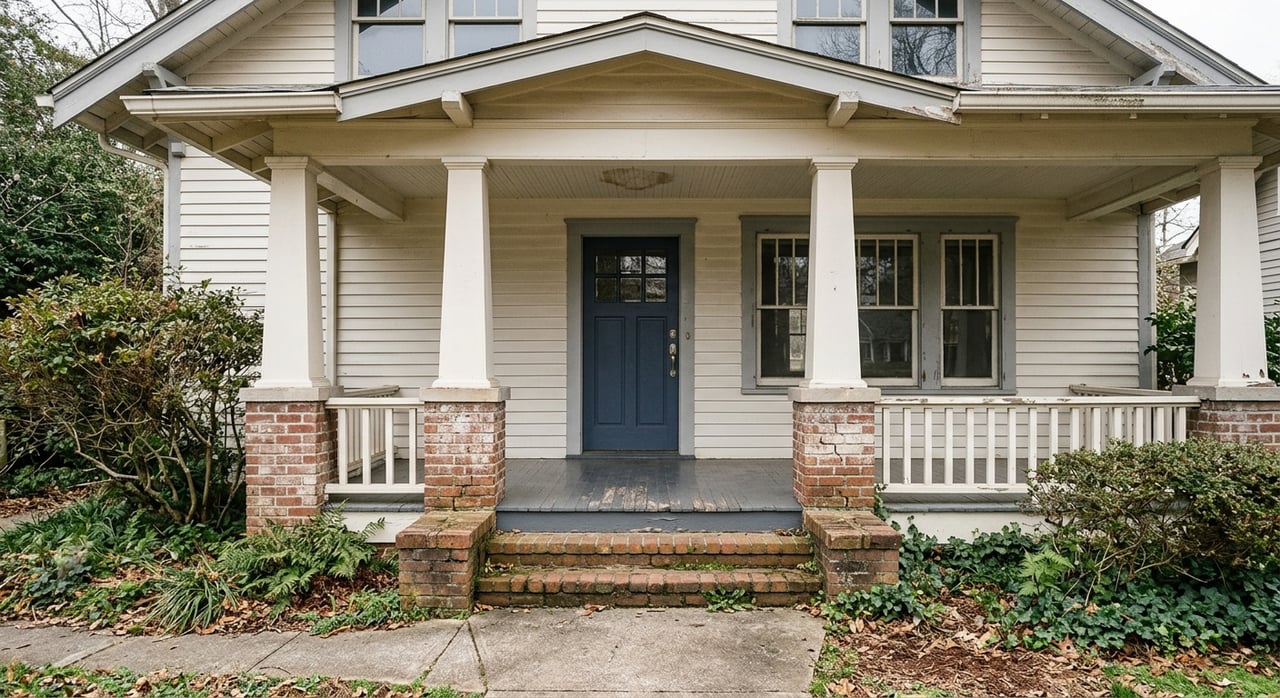
Thinking about buying a fixer-upper in Mount Rainier? You are not alone. For many buyers, this small Prince George’s County city stands out because the homes have character, the location is convenient to D.C., and the right renovation can create real long-term value. The catch is that in Mount Rainier, a smart project is usually less about tearing things down and more about working with the home’s original style and the city’s review rules. If you want to buy with clear eyes and a solid plan, this guide will help you know what to look for. Let’s dive in.
Why Mount Rainier draws fixer-upper buyers
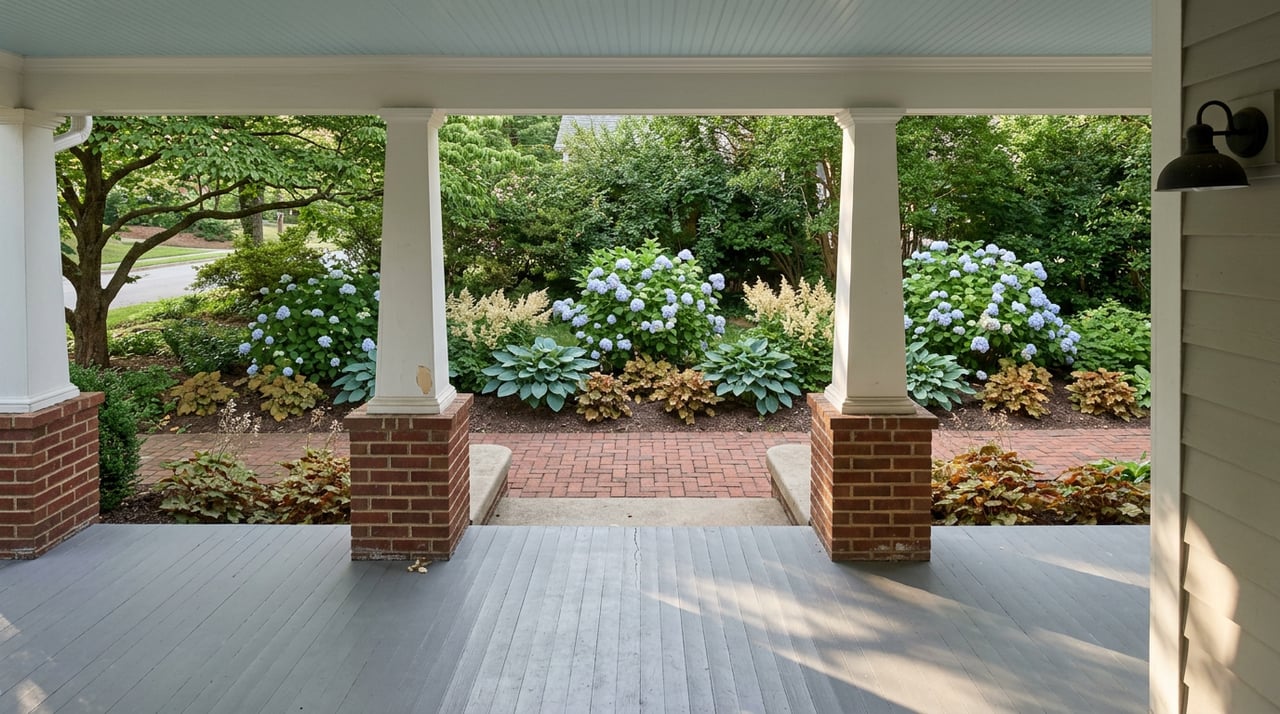
Mount Rainier offers something that is getting harder to find in close-in communities: older housing stock with real architectural identity. The city describes itself as a historic streetcar suburb, with many Sears houses and Craftsman-style homes, and says most buildings were built before 1939. That creates genuine opportunity for buyers who appreciate older homes and are open to renovation.
It also helps that Mount Rainier is a small, largely built-out city. The Census reports 8,333 residents, and the city says there are about 1,100 single-family homes along with three large apartment developments built in the 1940s. In practical terms, that means you are not likely to see waves of new construction competing with older homes, so value-add updates can matter more here.
The city’s location also supports buyer interest. Mount Rainier describes itself as a historic Route 1 gateway community at the D.C. border, with pedestrian-friendly streets, a business district, arts studios, and community events. For buyers who want a home with personality in a connected location, that can be a strong draw.
What the numbers suggest
Recent market data points to a market where discipline matters. Zillow’s home value index for Mount Rainier was $453,836 as of May 31, 2026, and Realtor.com reported a median listing price of $505,000 in ZIP code 20712 during spring 2026. Realtor.com also reported a median of 110 days on market, which suggests this is not a market built around rushed flipping.
The rental side looks active, but it is not a blank check for overspending. Census data shows a 75.7% renter-occupied rate and a 23.5% owner-occupied rate, with median gross rent at $1,457. Zillow’s average asking rent was $1,588 as of May 31, 2026, which suggests rental demand is real, but you still need to be careful not to over-improve and price yourself out of the local economics.
Start with the public record
Before you fall in love with a front porch or original trim, confirm the basics. Maryland SDAT’s Real Property Data Search is the state portal for ownership, assessment, and sales information, and Prince George’s County GIS provides public mapping data. These tools can help you verify the parcel, compare the listing details to the public record, and spot possible questions before you write a stronger offer.
This step matters even more with older homes. A listing may describe updates, additions, or property features in a way that sounds straightforward, but the public record can reveal whether the home’s details line up cleanly. That does not mean every discrepancy is a deal breaker, but it does mean you want answers early.
Understand Mount Rainier’s review rules
This is one of the biggest reasons fixer-upper buyers need a local game plan. The city says most residential properties are now covered by the Neighborhood Conservation Overlay Zone, or NCOZ, effective April 1, 2022. Some properties are excluded, including the Mixed-Use Town Center, individual historic landmarks, and some garden-style apartment complexes, but many homes buyers consider will fall within the city’s preservation framework.
That does not mean you cannot renovate. It means your renovation should usually be compatible with the home’s original character rather than focused on an unconstrained rebuild. The city’s Design Review Board says that if a project is on a contributing resource within the Mount Rainier National Register Historic District, it should follow the Secretary of the Interior’s Standards for Rehabilitation.
In everyday terms, think restoration and compatibility first. Front-facing changes, window replacements, additions, and exterior materials may require more careful planning than buyers expect in other communities.
Know the permit path before budgeting
A fixer-upper budget can fall apart fast if you treat permits like an afterthought. Mount Rainier’s homeowner guide says some permits are obtained through Prince George’s County DPIE, and the county requires building, site development, fire protection, and trade permits through the Momentum system. ePlan review and inspection scheduling are handled online or by IVR.
The city also makes a few points that buyers should take seriously. You should not start work before permit approval. Applications should include approved county permits or site plans when required, may need to list the historic contribution code rating, and home-improvement work must use MHIC-licensed contractors.
This is why your early due diligence should include not just a contractor walk-through, but also a realistic permit conversation. If your plan depends on a fast turnaround, Mount Rainier may require more patience than you expect.
Watch for the repair categories older homes share
One useful shortcut comes from the city’s own home repair program. Mount Rainier identifies roof and siding, windows and doors, porch and exterior steps, floors, bathrooms and kitchens, and foundation or waterproofing as eligible repair categories. For fixer-upper buyers, that is a practical clue about where older homes in the city often need money first.
When you tour homes, pay special attention to these areas:
- Roof age and visible drainage issues
- Siding condition and exterior wood rot
- Original or aging windows and doors
- Porch stability, stair safety, and railing condition
- Sloping floors or signs of structural movement
- Older kitchens and bathrooms that may need full updates
- Basement moisture, foundation cracks, or waterproofing needs
These issues do not automatically make a property a bad buy. They just need to be priced into the deal and evaluated in the context of permits, contractor scope, and your total budget.
Match the renovation to the house style
Mount Rainier’s housing stock is part of its appeal, but it also shapes what makes sense to renovate. The city’s pattern book identifies several prominent house types, including Victorian, Colonial Revival, Tudor Revival, Queen Anne, Ranch, Craftsman or Bungalow, and Prairie School. The city also notes that many Sears houses are in town and that bungalows were the dominant house type from 1920 to 1940.
That matters because each style tends to reward a different kind of renovation. In Mount Rainier, value is often preserved by respecting the original structure, façade, and details rather than forcing a generic update.
Queen Anne and Victorian homes
These homes often feature asymmetrical façades, steep roofs, front-facing gables, bays, and sometimes towers or oriels. Renovation value often centers on the roofline, porch, trim, siding, and original window openings. If you buy one of these homes, major floor plan changes may be less important than restoring visible exterior character.
Colonial Revival and Tudor Revival homes
Colonial Revival homes are typically more symmetrical, often with centered doors and decorative surrounds. Tudor Revival homes often emphasize steep roofs, front-facing gables, and tall narrow windows. These styles usually benefit from façade-preserving work such as roof repair, window and door restoration, masonry or veneer repair, and additions that respect the home’s original balance.
Craftsman and bungalow homes
Craftsman and bungalow homes are especially common in Mount Rainier. They often include side-gabled roofs, wide eaves, exposed rafters or brackets, and prominent porches. The most defensible projects on these homes are often porch restoration, trim preservation, wood-rot repair, modest mechanical updates, and carefully planned side or rear additions.
Additions need a careful approach
If your dream fixer-upper includes adding square footage, read the local context closely. The city’s pattern book says additions should be secondary to the original house, set back from the main façade, and generally placed to the side or rear. It also discourages front additions and says replacement windows and doors should respect original profiles where possible.
That is an important mindset shift for buyers coming from markets where expansion is the main value-add play. In Mount Rainier, the winning renovation is often one that feels like it belongs on the block and fits the original scale of the house.
Think carefully about resale and rental plans
If you plan to resell after renovations, avoid assuming a quick, high-margin flip. Realtor.com described ZIP code 20712 as balanced or cool in spring 2026, with a median of 110 days on market. Combined with the local price points, that suggests buyers should think in terms of measured value-add rather than speculative overbuilding.
If you plan to hold the property as a rental, make compliance part of your upfront due diligence. The city requires a residential occupancy license before a dwelling is rented or leased. Prince George’s County also requires a Use and Occupancy certificate before business operation begins, so it is important to understand the approval path before counting on rental income.
A smart fixer-upper strategy in Mount Rainier
The best Mount Rainier fixer-upper buyers usually do a few things well. They confirm public records early, budget for permits and reviews, inspect the big-ticket systems carefully, and align renovation plans with the home’s architecture. They also stay realistic about after-repair value and rental income.
This city can be a very good fit if you want an older home with character and you are comfortable with a thoughtful renovation process. It is usually a stronger match for buyers who appreciate compatible restoration and practical upgrades than for buyers chasing a teardown or a rushed spec project.
A local broker with renovation awareness can help you spot the difference between a house with real upside and a house that only looks like a bargain. In a place as specific as Mount Rainier, that local context can save you time, money, and stress.
If you are considering a fixer-upper in Mount Rainier and want hands-on guidance about value, renovation potential, and what to watch for block by block, talk to Licia Galinsky.
FAQs
What makes Mount Rainier a good place to buy a fixer-upper?
- Mount Rainier has older housing stock, many homes built before 1939, and a built-out historic setting where thoughtful renovations can add value when they fit the home and neighborhood context.
What should buyers check before buying a fixer-upper in Mount Rainier?
- You should review Maryland SDAT property records, check Prince George’s County GIS information, confirm whether the property is subject to the city’s preservation framework, and inspect major repair areas like roof, windows, porches, floors, kitchens, bathrooms, and foundation or waterproofing.
Do Mount Rainier fixer-uppers have historic review rules?
- Many do, because the city says most residential properties are covered by the Neighborhood Conservation Overlay Zone, and some projects on contributing historic resources should follow rehabilitation standards used by the city’s Design Review Board.
Are additions easy on older homes in Mount Rainier?
- Usually not in the sense of unlimited expansion, because the city’s pattern book says additions should be secondary to the original house, set back from the main façade, and generally placed at the side or rear.
Can you rent out a fixer-upper after renovating it in Mount Rainier?
- Yes, but the city requires a residential occupancy license before a dwelling is rented or leased, so rental compliance should be part of your due diligence from the start.
Is Mount Rainier a strong market for flipping renovated homes?
- The local data suggests a more measured approach is wiser, since spring 2026 market trackers showed mid-$400,000s to low-$500,000s pricing and a median of 110 days on market in ZIP code 20712.