Are you looking for a place that feels creative, connected, and still rooted in everyday residential life? Mount Rainier stands out for exactly that mix. If you are buying, selling, or just trying to understand the area better, this guide will help you see how the city’s arts identity and housing stock fit together in a practical, on-the-ground way. Let’s dive in.
Mount Rainier’s arts identity
Mount Rainier is one of the four municipalities in the Gateway Arts District. The city describes this area as part of a vibrant arts community, and Gateway CDC identifies the district as an arts-driven corridor along U.S. Route 1 and Rhode Island Avenue just north of Washington, D.C. That gives Mount Rainier a clear creative identity that is tied to place, not just marketing.
What makes that identity especially interesting is how visible it is in daily life. The city lists arts-related resources including Adrinka Cultural Arts Studio, DPark 3311, Gateway Media Arts Lab, and Joe’s Movement Emporium. Public art is also spread across the city, with murals and installations listed at sites like 3201 Rhode Island Avenue, 3840 Otis Street, 3708 Otis Street, the Otis Street Complex, Mount Rainier Library, and Pennyroyal Station.
This matters if you are trying to picture the feel of the area. In Mount Rainier, creative spaces are not tucked away in one entertainment zone. They are woven into neighborhood blocks and commercial streets, which helps explain why the city can feel both arts-oriented and residential at the same time.
Joe’s Movement Emporium and local arts spaces
Joe’s Movement Emporium is one of the best-known creative anchors in Mount Rainier. Joe’s says it was founded in 1995, serves more than 70,000 visitors each year, and combines arts education, performing arts, and work-readiness programming. That kind of steady activity adds real texture to the local environment.
County arts planning also points to the Otis Street Arts Project as an artist-run space with studio space, exhibitions, workshops, critiques, lectures, staged readings, and performances. It serves about 75 artists. Together, these spaces show that Mount Rainier’s arts scene is active across multiple locations rather than centered in one building.
Mount Rainier’s housing history
To understand the housing mix today, it helps to start with the city’s roots. Mount Rainier’s growth began with the streetcar, with service starting in 1897 and development clustering around Rhode Island Avenue and 34th Street by 1910, the year the city incorporated. The city describes Mount Rainier as a primary streetcar suburb with early-20th-century homes and a National Register listing established in 1990.
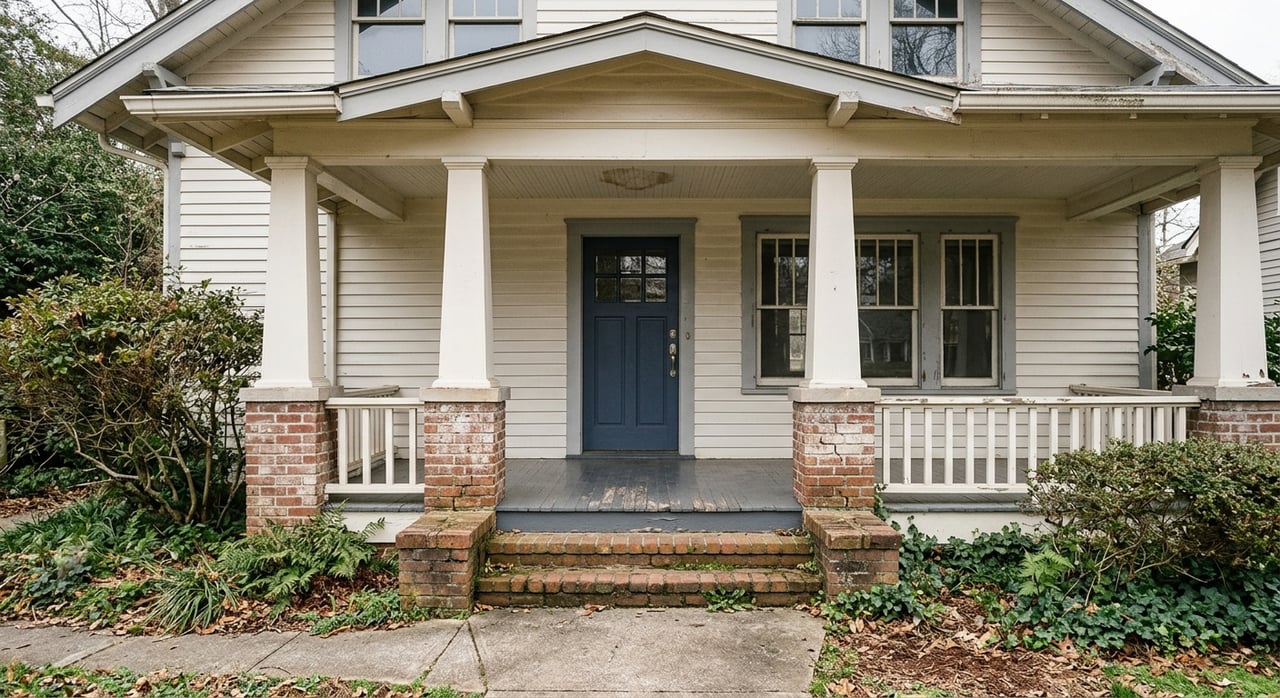
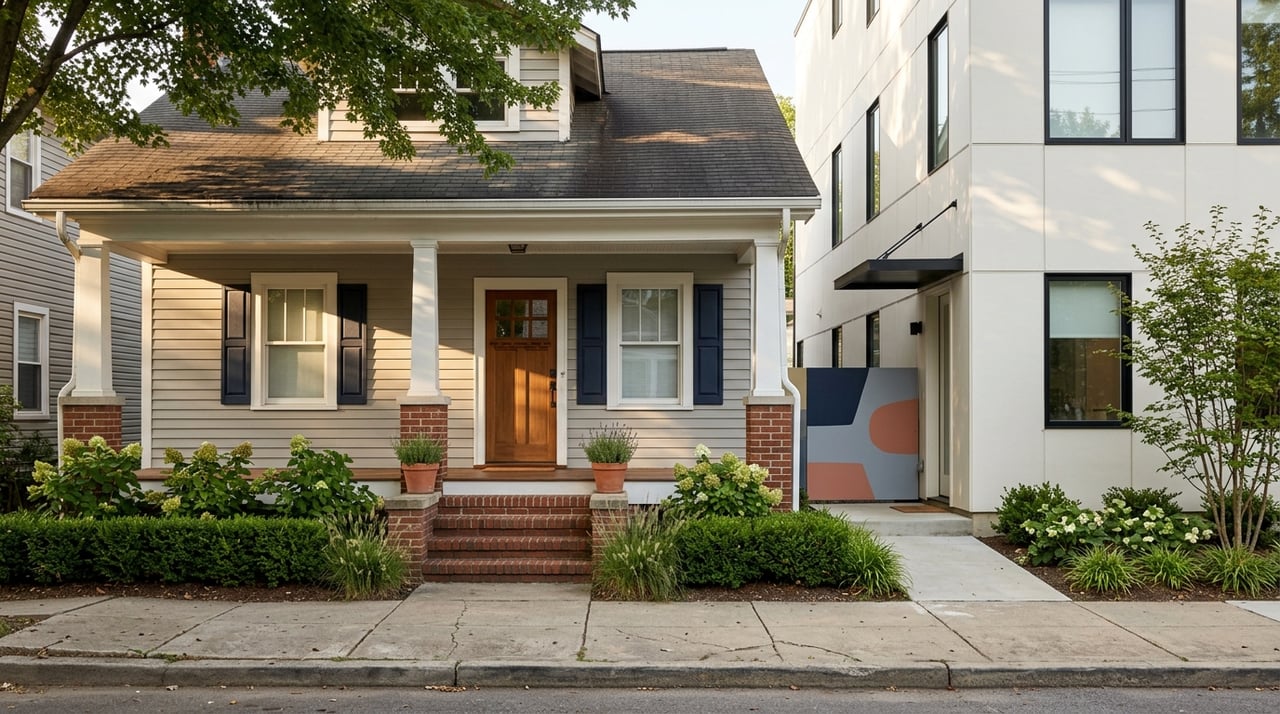
That early development still shapes the city’s character. County planning materials say the 1920s were the city’s biggest growth period, with Craftsman-style bungalows becoming the prevailing trend. Later additions included Cape Cod and Ranch houses, which adds variety to the streetscape.
If you are shopping for a home here, that history is more than trivia. It helps explain why so many homes feel established and why renovation potential often becomes part of the conversation. For sellers, it also helps frame what buyers may value when they are comparing older homes with different levels of updates.
A large share of older homes
Mount Rainier remains strongly tied to its historic housing base. County planning says about 90% of dwellings in the conservation zone were built before 1950. Recent ACS estimates also show that 29.9% of housing units were built in 1939 or earlier.
That does not mean the city is frozen in time. It means the older housing stock still defines much of the feel and scale, even as newer infill appears. In practical terms, buyers may find architectural detail and established streets, while also needing to think carefully about maintenance, updates, and layout preferences.
The current housing mix
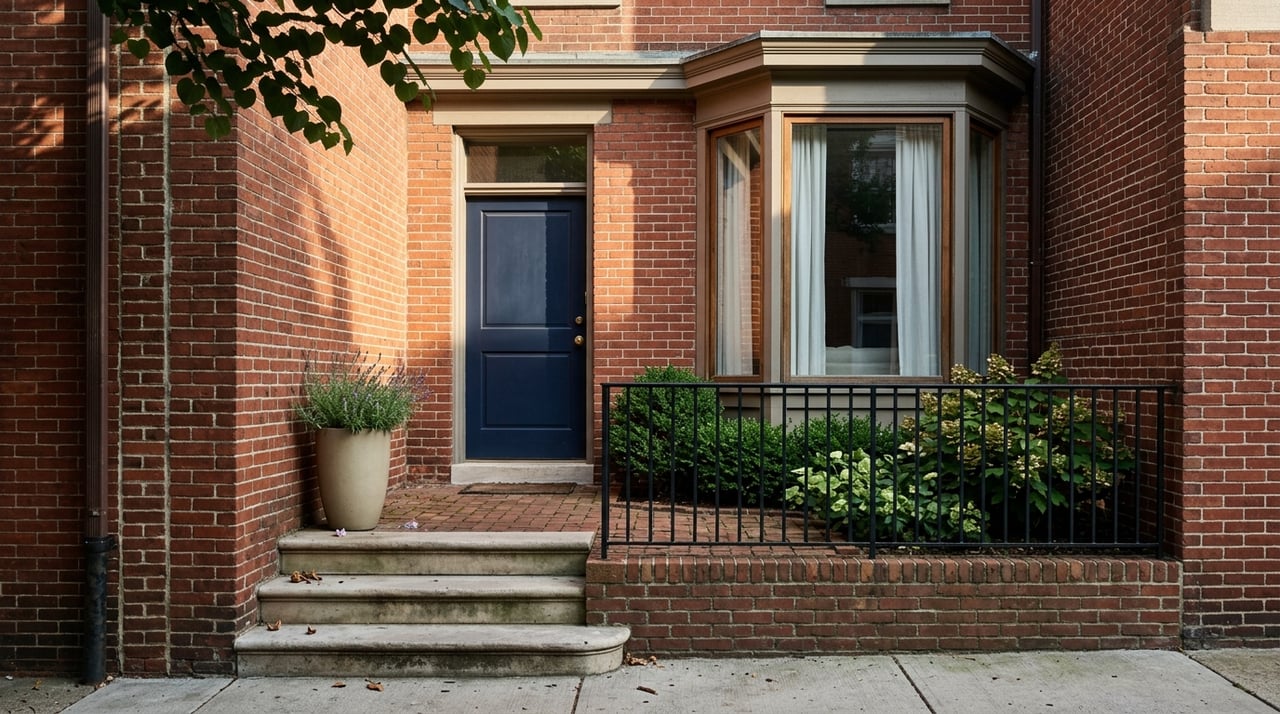
One of the biggest misconceptions about Mount Rainier is that it is mostly single-family homes. Detached houses are certainly part of the market, but the overall housing stock is more mixed than many people expect. That can be a plus if you want options beyond one standard home type.
According to 2020 to 2024 ACS estimates, 27.4% of units are detached single-family homes. At the same time, 21.6% are in 3 to 4 unit buildings, 36.6% are in 5 to 9 unit buildings, and 7.3% are in buildings with 20 or more units. In other words, small multifamily properties make up a major part of the city’s housing picture.
Renting versus owning
Tenure in Mount Rainier also leans heavily toward renting. ACS estimates show 23.5% owner-occupied housing and 76.5% renter-occupied housing. The same data put the median owner-occupied home value at $529,600 and the median gross rent at $1,457.
For buyers, that suggests a market where ownership exists within a broader rental landscape. For sellers, it reinforces the importance of understanding who your likely buyer is and how your property fits into the city’s wider housing mix. A detached house, condo-style unit, or small multifamily property may each appeal to a different kind of purchaser.
How arts and housing connect
This is where Mount Rainier becomes especially interesting. The city’s arts identity is not separate from its housing story. In fact, the two are closely linked through location, land use, and the kind of housing that has developed in the Gateway Arts District.
A clear example is Mount Rainier Artist Lofts at 3311 Rhode Island Avenue. Artspace describes it as 44 affordable live-work units for creatives and their families, along with ground-floor commercial space. The project sits in the Gateway Arts District near the D.C. border and close to public transportation, which shows how the arts focus has shaped actual housing development.
County arts planning makes that connection even clearer by recommending more housing supply at all income levels and more artist live-work housing in the Gateway Arts District. That tells you the arts district is not just about events or branding. It is also tied to how people live and what kinds of housing the area supports.
A mixed-use center with residential edges
County planning describes Rhode Island Avenue and 34th Street as the city’s mixed-use town center, surrounded by single-family neighborhoods. That basic layout helps explain why Mount Rainier can feel compact, walkable, and creative while still remaining mostly residential in everyday use.
The same planning study notes that conservation tools were created to preserve neighborhood scale while allowing context-sensitive infill, additions, and renovations. For buyers and sellers, that balance matters. It suggests an area where change happens, but where the built environment is also shaped by preservation goals.
What this means if you are buying
If you are considering Mount Rainier, it helps to think beyond one label. This is not simply a historic neighborhood, and it is not simply an arts district. It is a place where older detached homes, small multifamily buildings, live-work concepts, and a visible arts culture all overlap.
That creates a few practical takeaways for buyers:
- You may find more housing variety than expected
- Older homes can offer character and renovation potential
- Small multifamily buildings are a meaningful part of the market
- The arts presence is visible in daily neighborhood life
- Location near Rhode Island Avenue and 34th Street may offer a different feel than quieter residential blocks
If you like neighborhoods with distinct identity, this mix can be a real draw. It also means you need a local reading of the block, the housing type, and the likely upkeep or update needs of a given property.
What this means if you are selling
If you own in Mount Rainier, your home is part of a market with a strong sense of place. Buyers may be drawn by historic character, access to the arts district, live-work appeal, or the feel of a compact residential community near D.C. That gives sellers a good opportunity to market the property in a way that reflects both housing details and neighborhood context.
It also means pricing and presentation should be tailored to the property type. A detached early-20th-century home may compete differently than a smaller multifamily unit or a more contemporary infill property. Thoughtful staging, smart renovation choices, and clear positioning can help buyers understand where your home fits in Mount Rainier’s broader housing story.
Why local guidance matters
In a place like Mount Rainier, broad metro-level assumptions are not enough. The city’s mix of historic homes, multifamily buildings, arts spaces, and context-sensitive infill means the details matter. Small differences in block, building style, and level of updating can shape both value and buyer interest.
That is where a neighborhood-first approach can make a real difference. If you are buying, you want help understanding the tradeoffs between charm, condition, and long-term fit. If you are selling, you want pricing and preparation advice that reflects how buyers actually read this micro-market.
If you want practical guidance on buying or selling in Mount Rainier, Licia Galinsky offers the kind of hands-on, local support that can help you move with clarity.
FAQs
What makes Mount Rainier part of an arts district?
- Mount Rainier is one of the four municipalities in the Gateway Arts District, with arts organizations, studios, performance spaces, and public art spread throughout the city.
Is Mount Rainier mostly historic housing?
- Yes. The city describes Mount Rainier as a streetcar suburb with early-20th-century homes, and ACS estimates show that 29.9% of housing units were built in 1939 or earlier.
Is Mount Rainier only single-family housing?
- No. Detached single-family homes make up 27.4% of units, while a large share of the housing stock is in small multifamily buildings.
Are there live-work housing options in Mount Rainier?
- Yes. Mount Rainier Artist Lofts at 3311 Rhode Island Avenue includes 44 affordable live-work units for creatives and their families.
Where is public art visible in Mount Rainier?
- The city lists murals and public art at sites including Rhode Island Avenue, Otis Street, the Otis Street Complex, Mount Rainier Library, and Pennyroyal Station.
What is the housing tenure mix in Mount Rainier?
- ACS estimates show 23.5% owner-occupied housing and 76.5% renter-occupied housing, reflecting a market with both ownership opportunities and a substantial rental base.