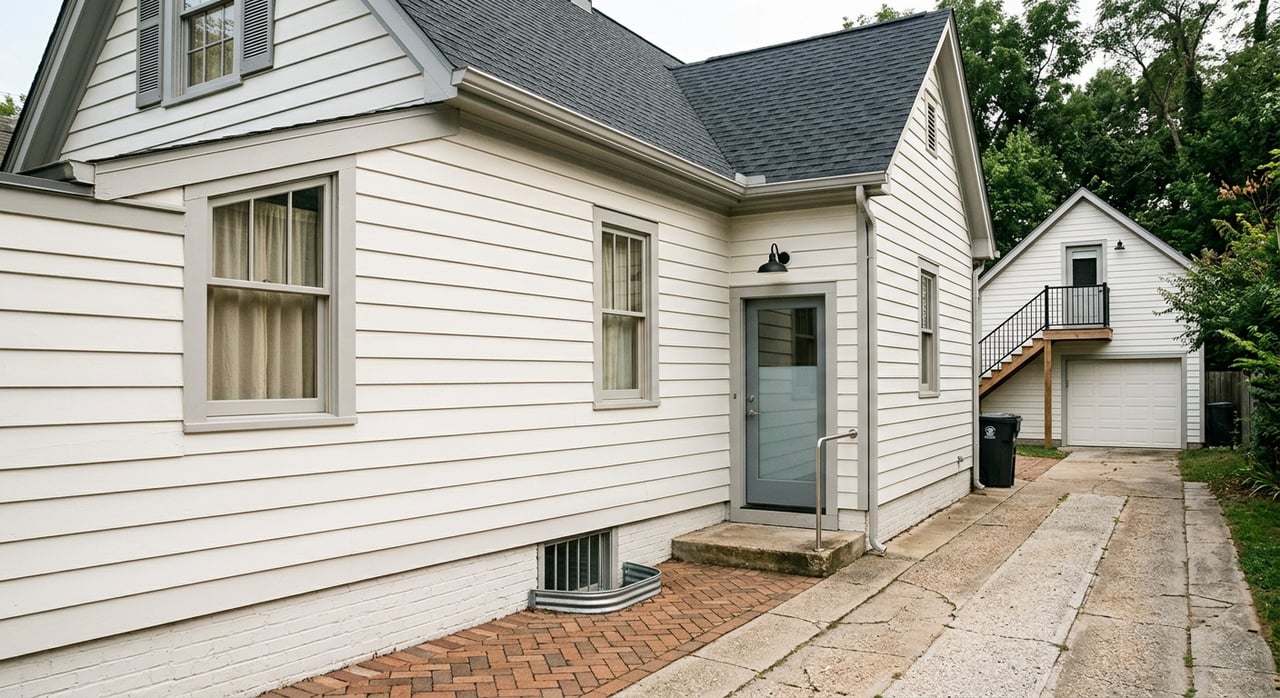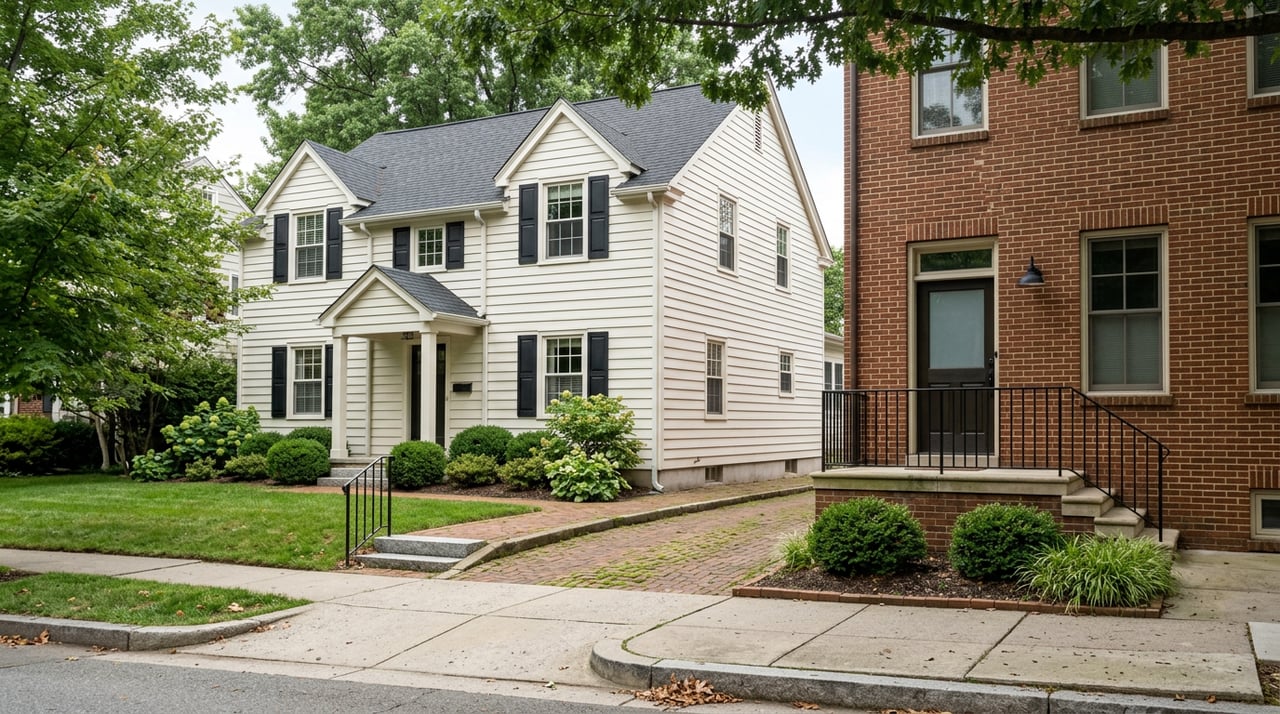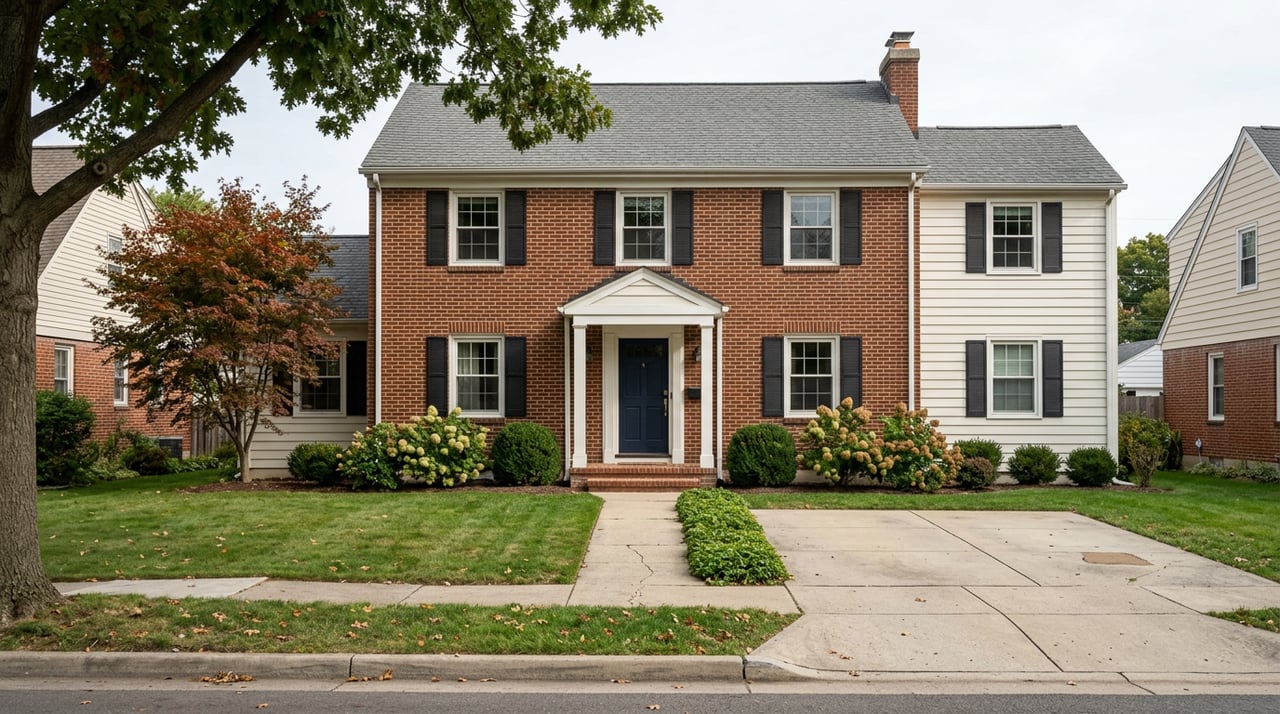
Thinking about buying an older Bethesda home and making it yours through smart updates? You are not alone. Many buyers here love the character and location benefits of mid‑century houses but want modern comfort and value. In this guide, you will learn how to spot the right renovation candidate, what to inspect, how to budget, and which local rules matter before you write an offer. Let’s dive in.
Bethesda market basics
Bethesda is a high‑value, close‑in market with strong demand and limited supply. That mix creates real opportunity if you buy an older home with a clear plan to update it. Much of the county’s single‑family housing was built during the mid‑20th‑century building boom, which is why you often see Colonials, ramblers, and split‑levels that are ready for thoughtful modernization. You can see the region’s construction timeline reflected in local history resources like the county’s building timeline overview at Montgomery History.
Nearby areas such as Silver Spring and Rockville often offer similar styles at lower entry prices. If your budget needs flexibility, widening your search can help. The key is to evaluate each micro‑market’s resale ceiling and typical finishes so you match your renovation scope to neighborhood expectations.
Why that matters
Older homes can deliver great long‑term value, but you should expect legacy systems and layouts that influence cost. Electrical, plumbing, and insulation may be dated. Basements and drainage need a closer look on down‑county lots. With a clear inspection plan and a realistic budget, you can separate solid houses with cosmetic needs from properties that require major systems work.
Structural vs. cosmetic
Knowing the difference protects your budget.
- Structural or major MEP work: Items like foundation repair, roof framing issues, moving load‑bearing walls, severe drainage problems, main sewer lateral failure, full electrical rewiring, full re‑pipe, major HVAC replacement, and significant termite or rot require specialists, permits, and longer timelines. Typical foundation repairs range widely; common jobs land in the low thousands while serious stabilization can run far higher, as outlined in national foundation cost guides.
- Cosmetic or systems refresh: Paint, flooring, cabinet refacing, counters, fixtures, trim, lighting, and other non‑structural finishes. These updates tend to be faster and often recoup well at resale. National benchmarks like Remodeling’s Cost vs. Value show how midrange projects often perform best on ROI. Review the latest Cost vs. Value report when planning scope.
Quick pre‑offer checks
Use these fast visual checks before you waive any contingencies:
- Exterior drainage and gutters: Confirm the ground slopes away from the house and that downspouts discharge well away from the foundation. Water at the foundation is a red flag.
- Roofline and chimney: Look for sagging, missing flashing, or a leaning chimney. Roof issues can snowball into bigger costs. Review typical project scopes and recoup rates in the Cost vs. Value report.
- Doors, stairs, and floors: Sticking doors, sloped or bouncy floors, and stair‑step foundation cracks can indicate movement. Serious cracks or deflection warrant a structural engineer’s review.
- Electrical clues: Look for cloth‑insulated wiring, visible knob‑and‑tube, or aluminum terminations. These can trigger safety concerns and insurance hurdles. Read more about risks in InterNACHI’s overview of knob‑and‑tube and aluminum wiring.
- Plumbing material: Watch for gray polybutylene or older galvanized pipes, and consider a sewer‑scope on older homes. Polybutylene has a history of failures that led to widespread replacement, as reported by the Washington Post.
- Potential asbestos or lead paint: In mid‑century homes, materials such as old floor tiles or textured ceilings may contain asbestos, and pre‑1978 paint may contain lead. Testing before renovation is prudent. Federal lead‑paint disclosure rules apply to pre‑1978 homes, summarized by the EPA.
- Sewer line basics: In this region, the homeowner typically owns the service line from the property to the house. Check responsibilities and FAQs with WSSC Water.
Inspection plan that protects you
On older Bethesda stock, build an inspection plan that looks beyond the surface. In addition to a standard home inspection, consider:
- Sewer‑lateral camera scan. Private lateral issues are the homeowner’s responsibility in most cases. Review the basics with WSSC Water’s FAQs.
- Licensed electrician evaluation if you suspect knob‑and‑tube or aluminum wiring. Start with InterNACHI’s guidance to understand common concerns.
- Plumber review if you see polybutylene, galvanized water lines, or cast‑iron drains.
- Radon test. Montgomery County requires radon testing in single‑family home sales. Learn how the rule applies on the county’s radon in home sales page.
- Lead paint testing for pre‑1978 homes. The EPA’s disclosure rule overview explains what sellers must provide.
Permits and unpermitted work
In Montgomery County, you can verify permit history online through the Department of Permitting Services. Before you finalize an offer, search the DPS eServices portal for prior additions, finished basements, or major systems work. Unpermitted additions are common and can add cost, time, and risk if you need to bring work up to code.
Common mid‑century findings
Here is what turns up most often in local inspections, and why it matters:
- Lead‑based paint in pre‑1978 homes. Expect federal disclosure forms and consider testing before any renovation activity. See the EPA’s summary of the rule.
- Knob‑and‑tube or aluminum wiring. These can cause insurance and safety concerns. Replacement or licensed mitigation is often required. Review InterNACHI’s overview for background.
- Polybutylene or older galvanized piping. Many owners opt for full re‑pipe when poly‑B is present. The Washington Post documented widespread issues that drove replacements.
- Drainage, basement water, and foundation distress. Early grading and waterproofing fixes are less costly than structural stabilization. For context on ranges, see foundation repair cost guides.
- HVAC nearing end of life. Systems in older homes can be 15 to 25 years old or more. Plan for replacement if needed.
- Unpermitted additions. Search the DPS eServices portal to confirm permit history.
- Radon. The county requires testing in single‑family sales. Learn more on the Montgomery County radon page.
Budget, timeline, and financing
You want a budget that fits the house, the neighborhood, and your goals.
- Foundation repairs: Many typical jobs fall in the low thousands, while serious underpinning can reach tens of thousands. Study national ranges in HomeAdvisor’s foundation repair overview, then get a local engineer and contractor estimate.
- Roof replacement: Asphalt shingle replacements often land in the tens of thousands, depending on home size and pitch. The Cost vs. Value report is a helpful baseline for cost and likely recoup.
- Electrical rewiring: Replacing knob‑and‑tube or aluminum branch circuits often runs in the low to mid five figures, depending on access and house size. Confirm with a licensed electrician after inspection.
- Re‑pipe and sewer: Supply re‑pipes often run several thousand to 15k or more, depending on size and finishes. Add a sewer camera to understand potential lateral costs.
- Kitchens and baths: Midrange updates typically recoup better than high‑end gut jobs. Align your finishes with neighborhood comps and consult the Cost vs. Value report to right‑size your plans.
Build in a healthy contingency. On older homes, start with 10 to 20 percent if the scope is light. If you expect hidden systems work, aim for 20 to 30 percent.
Plan for permitting. Montgomery County’s online system streamlines applications and inspections, but structural or major remodel permits can require plan review time. Use the DPS eServices portal to understand submittals, inspections, and scheduling.
Financing tools can help you buy and renovate with one loan. Fannie Mae’s HomeStyle Renovation program allows you to roll improvements into a conventional mortgage with staged draws tied to work completion. Explore details at Fannie Mae’s HomeStyle Renovation page. Buyers here also commonly use FHA 203(k) or post‑closing HELOCs; confirm eligibility and terms with local lenders.
Renovation strategy for resale
Your goal is to invest where buyers notice and appraisers can support the value. In Bethesda, buyers expect solid systems and clean, modern finishes that match nearby comps. Midrange projects like a thoughtful kitchen refresh, updated baths, improved lighting, and refinished floors often deliver stronger ROI than ultra‑custom upgrades. Always validate your after‑repair value with a tight comp set and the Cost vs. Value report.
Make the right offer
Older properties can still be competitive. Use your inspection plan to sharpen your offer and protect your budget.
- Pre‑offer: Ask for permit history, recent mechanical receipts, and any sewer lateral documentation. Confirm any known radon results.
- During contingencies: Order the full inspection, sewer camera, electrician and plumber reviews as needed, and radon and lead paint testing if applicable.
- Negotiation levers: Request seller credits for big‑ticket items like roof, HVAC, or sewer lateral when replacement is imminent. If you prefer to do work after closing, ask for a price reduction or escrowed funds based on written contractor estimates plus contingency.
A simple game plan
- Define your scope. Decide what is cosmetic now versus what must be addressed for safety or function.
- Build your numbers. Price the house, add hard renovation costs, add permits and contingency, and model your after‑repair value.
- Inspect smart. Use the add‑ons that reveal structural, electrical, plumbing, and sewer risk.
- Verify permits. Check the DPS eServices portal before you remove contingencies.
- Choose financing. Explore HomeStyle Renovation or other options that fit your plan.
- Align finishes. Match neighborhood expectations and use the Cost vs. Value report as a reality check.
- Close and execute. Schedule contractors, inspections, and draws with a clear timeline, then keep contingency intact for surprises.
Buying an older Bethesda home can be a smart, rewarding move when you plan with care. If you want a local, renovation‑savvy partner to help you evaluate homes, pressure‑test your budget, and negotiate with confidence, connect with Licia Galinsky for a conversation about your goals.
FAQs
What should I inspect first in an older Bethesda home?
- Start with drainage and roofline, then check electrical clues, plumbing type, and signs of structural movement. Add a sewer camera, radon test, and permit history review for a complete picture.
How do I check Montgomery County permits before I buy?
- Use the Montgomery County Department of Permitting Services eServices portal to search permit history for additions, finished basements, and major systems work.
Do sellers have to test for radon in Montgomery County home sales?
- Montgomery County requires radon testing for single‑family home sales. Sellers must provide results or allow buyer testing during the transaction window.
Who is responsible for the sewer line to the house?
- In this region, the homeowner typically owns the service line from the property to the house. Review responsibilities in WSSC Water’s FAQs and consider a sewer camera inspection.
What renovations have the best resale ROI in Bethesda?
- Midrange, buyer‑visible updates often perform best. Use the Cost vs. Value report to prioritize kitchens, baths, and curb appeal over ultra‑custom upgrades.
How risky is knob‑and‑tube or aluminum wiring?
- These older systems can create safety and insurance issues. A licensed electrician should evaluate and propose mitigation or replacement; see InterNACHI’s guidance for background.