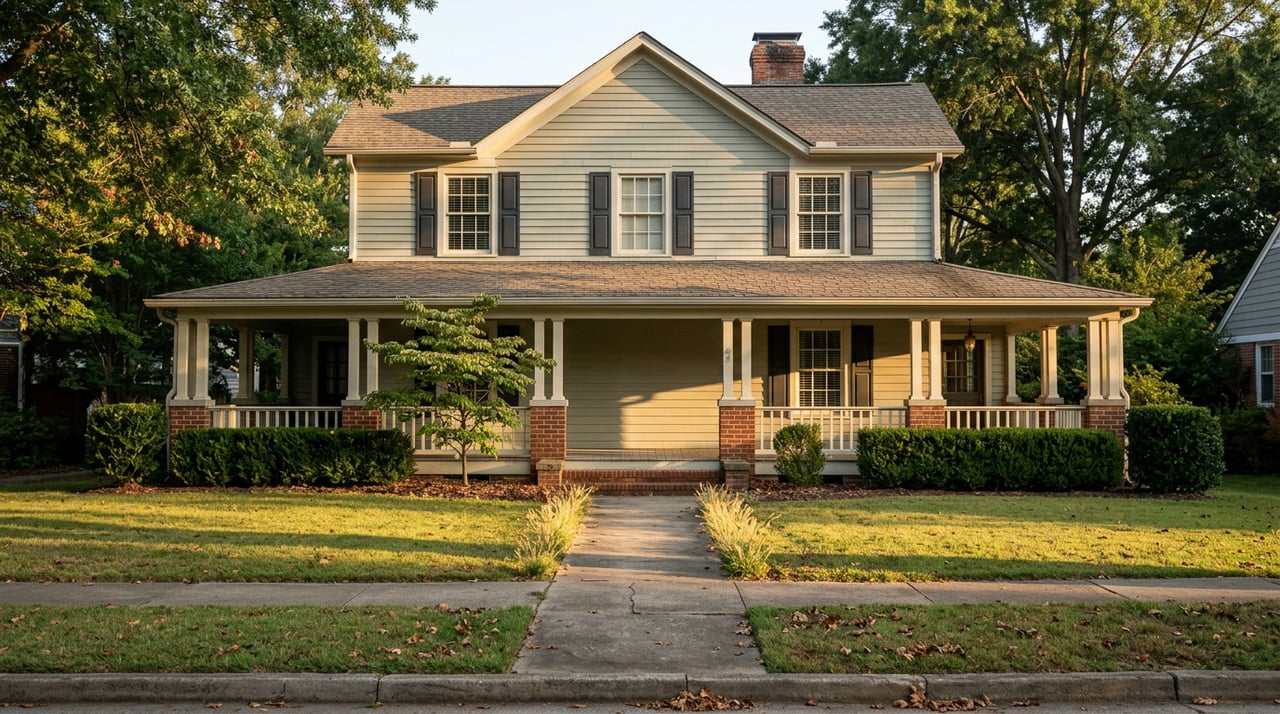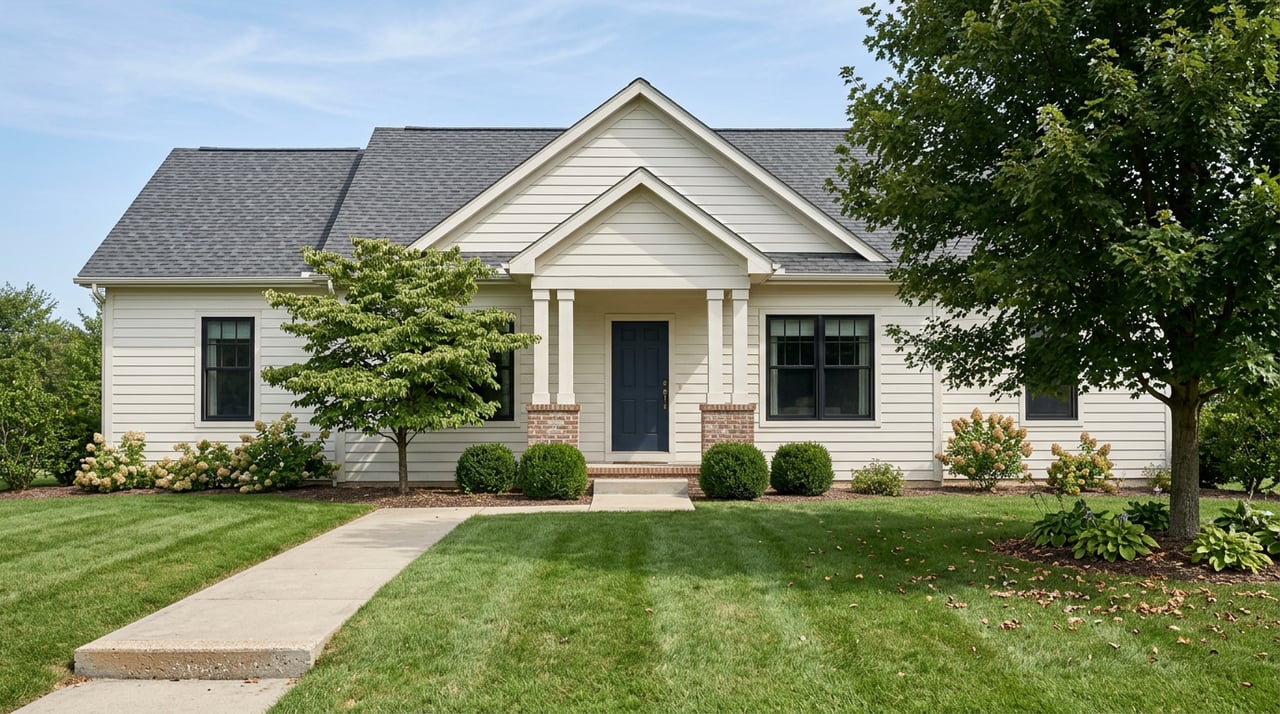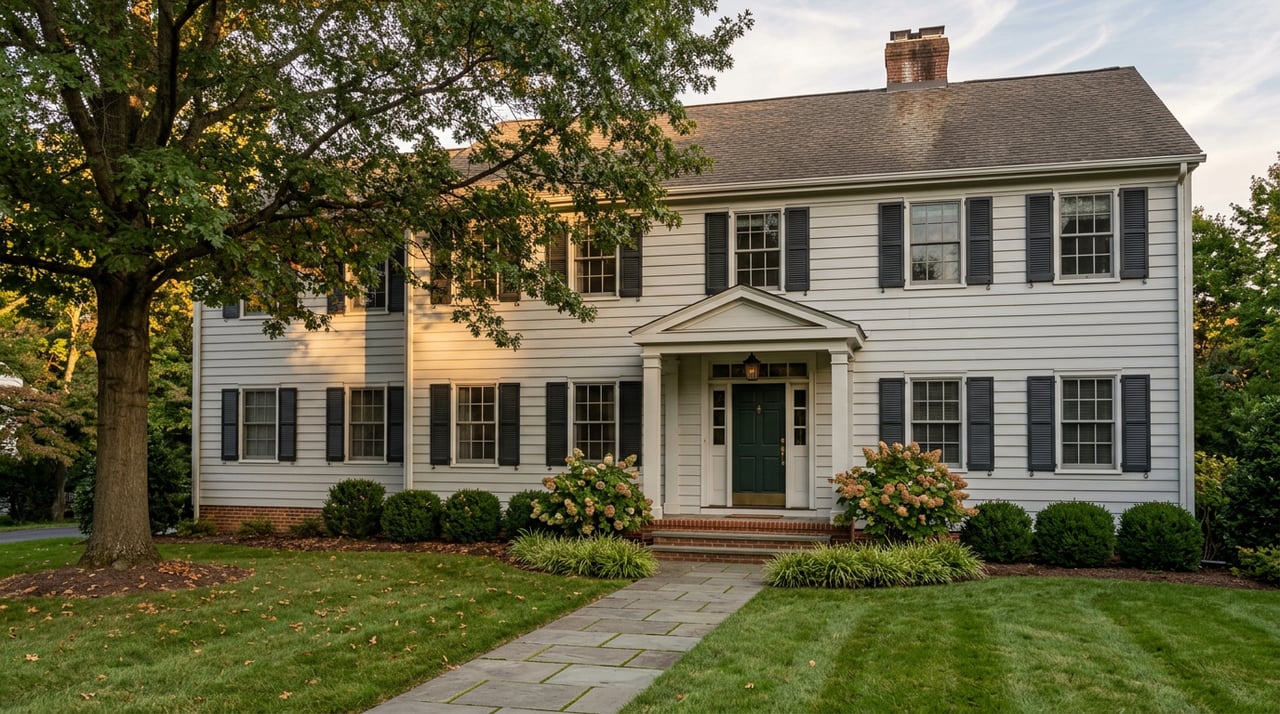
Wondering why one Kensington home sells quickly while another sits, even when they seem similar? If you are thinking about selling, pricing is where your result starts. In today’s market, the smartest approach is not guessing high or chasing an online estimate. It is building a price from hyperlocal sales, your home’s condition, and the specific buyer pool your address is likely to attract. Let’s dive in.
Why pricing matters more now
Kensington remains a valuable and active market, but it is not a market where you can count on overpricing and fixing it later. According to Realtor.com’s 20895 market snapshot, the median home price was $1,199,950 in February 2026, with 52 homes for sale, 23 median days on market, and a 97% sale-to-list ratio. That tells you buyers are still engaged, but they are not saying yes to every price.
The broader market supports that same message. Redfin’s Montgomery County housing data shows a February 2026 median sale price of $592,500 and 49 days on market, while the D.C. metro had 11.0% more active listings and 1.86 months of supply in February 2026, according to the research report. In plain terms, you still have opportunity, but price discipline matters.
Start with Kensington comps
The most accurate price usually comes from recent sold homes that closely match yours in Kensington, especially within 20895. That is more useful than relying on one portal average, because public sites can show very different numbers depending on the area they track and how they calculate value. The research report notes that Kensington figures vary widely across platforms, which is exactly why pricing should begin with recent comparable sales, not broad averages.
That also means Kensington, Bethesda, and Silver Spring should not be treated as interchangeable. While nearby markets can offer context, they do not automatically reflect what buyers will pay for your specific home. If a comp comes from outside Kensington, it should only be used when the home truly competes for the same buyer budget, lot size, condition level, and location profile.
Why micro-location changes value
In a market like Kensington, small geographic differences can shape demand. A home on one street may compete with a different buyer pool than a home just a few blocks away. That is why pricing needs to reflect your property’s exact location, not just the town name.
This is one place where a neighborhood-first strategy matters. A boutique brokerage with local market knowledge can often spot pricing differences that get lost in countywide or portal-level data. For sellers, that can mean a more realistic launch price and a stronger first impression when your listing hits the market.
School assignment can affect pricing
School assignment is an important part of the pricing conversation because Montgomery County Public Schools assigns schools by address. According to the MCPS boundary and enrollment information, each school serves a specific area, and the district provides a School Assignment Tool for address-level verification. The research report also notes that the Walter Johnson cluster includes Kensington Parkwood ES, North Bethesda MS, and Walter Johnson HS.
For pricing purposes, the key takeaway is simple: exact address matters. Buyers often narrow their search based on school assignment, so two homes that seem close together may not draw the same level of interest. This is not about ranking schools. It is about understanding how address-based search behavior can influence your likely buyer pool.
Condition shapes your price ceiling
Many sellers focus on square footage and location first, but condition has a major impact on what buyers will pay. The 2025 NAR Remodeling Impact Report found that 46% of buyers are less willing to compromise on home condition. That means wear and tear, dated finishes, or incomplete repairs can directly affect pricing power.
Presentation matters too. In the 2025 NAR Profile of Home Staging, 83% of buyers’ agents said staging makes it easier for buyers to visualize a property as a future home. The same report says 17% of agents believed staging increased offers by 1% to 5%.
What improvements matter most
If you want to support a stronger asking price, the best prep is often practical rather than flashy. The research report highlights several high-impact steps:
- Declutter throughout the home
- Complete a full deep clean
- Improve curb appeal
- Add paint touch-ups or repaint key areas
- Handle minor repairs
- Refresh flooring or obvious wear points
- Improve lighting and first-impression spaces
The Remodeling Impact Report also points to simple visual projects like exterior paint, front door updates, and garage door improvements as strong value-focused projects. Before spending on a major remodel, it helps to ask whether buyers will actually pay enough extra to cover that cost.
Timing can help, but price still leads
If your timing is flexible, spring is still the most favorable listing window based on the research report. Zillow’s analysis of seller timing found that sellers generally saw better-than-average returns when listing between March 15 and July 31, with the highest national premium in late May. The report also notes that buyer activity was building heading into spring as pending sales and showings rose.
That said, the best timing in the world cannot rescue a poor price. A well-prepared home launched in spring with realistic pricing is in a much better position than a home that enters the market too high and needs reductions later. Early momentum matters because your first days on market are often when buyer attention is strongest.
Should you price high to leave room?
It is a common idea, but in this market, it is usually risky. Redfin’s Kensington housing page says homes receive 3 offers on average, which shows competition is possible. But the research report also notes that homes in 20895 were selling for 97% of list price on average, which suggests buyers are still price-aware.
That combination points to a balanced strategy. You want to leave room for strong buyer response, but not so much room that you miss your best audience in the first two weeks. In most cases, launching close to true market value is more dependable than aiming high and hoping the market catches up.
A simple pricing framework
When you price your Kensington home, it helps to think in layers rather than one magic number. A sound pricing strategy usually looks like this:
- Pull recent sold comps in Kensington or 20895 that closely match your home.
- Adjust for micro-location based on your street, lot, and nearby competition.
- Verify school assignment by address using MCPS tools.
- Evaluate condition honestly including paint, repairs, curb appeal, and updates.
- Compare active competition to see what buyers will view alongside your home.
- Set a launch strategy that matches expected traffic, timing, and showing activity.
This process is especially useful in a market where online estimates can vary so widely. It replaces guesswork with a more grounded, local approach.
Questions to ask before you list
If you are interviewing agents, asking the right questions can quickly reveal how thoughtful their pricing strategy really is. The research report suggests several strong questions:
- Which recent closed comps in 20895 are you using, and why?
- How are you adjusting for condition, renovation level, and school assignment?
- What prep would you recommend before listing?
- If we price here, what do you expect for traffic, offers, and time on market?
- What is the plan if activity is quiet in the first 10 to 14 days?
These questions can help you move beyond a generic pricing opinion and toward a real plan.
The bottom line for Kensington sellers
The strongest pricing strategy for your Kensington home is local, specific, and realistic. That means using true comparable sales, verifying school assignment by address, adjusting for condition, and preparing your home before it launches. Nearby markets like Bethesda and Silver Spring can offer context, but your final price should reflect your property’s exact micro-market.
If you want a pricing plan that is grounded in Kensington block-by-block knowledge, practical prep advice, and hands-on support, Licia Galinsky and the Branches Realty team are here to help.
FAQs
How should you price a home in Kensington, MD?
- The best approach is to use recent sold comps in Kensington or 20895, then adjust for your exact location, school assignment, lot, condition, and current competition.
Does school assignment affect home pricing in Kensington?
- Yes. Because MCPS assigns schools by address, your exact school assignment can influence which buyers consider your home and how they compare it to other listings.
Should you use Bethesda or Silver Spring comps for a Kensington home?
- Only when those homes truly compete with yours in budget, condition, lot size, and buyer appeal. They are useful as context, but not usually as the core of your pricing strategy.
What repairs help support a better list price in Kensington?
- The research points to decluttering, deep cleaning, curb appeal, paint, minor repairs, lighting improvements, and other simple presentation updates as the most defensible pre-list investments.
When is the best time to list a home in Kensington?
- If your timing is flexible, spring is generally the strongest window, especially from mid-March through late July, but price and preparation still matter more than season alone.