If you like the idea of lowering your housing cost while building long-term equity, house hacking in Mount Rainier may be worth a closer look. This small Prince George’s County city offers older housing, some small multifamily possibilities, and price points that can be more approachable than many nearby DC-area markets. The key is knowing where the opportunity is real, and where local rules can change the math. Let’s dive in.
Why Mount Rainier fits house hacking
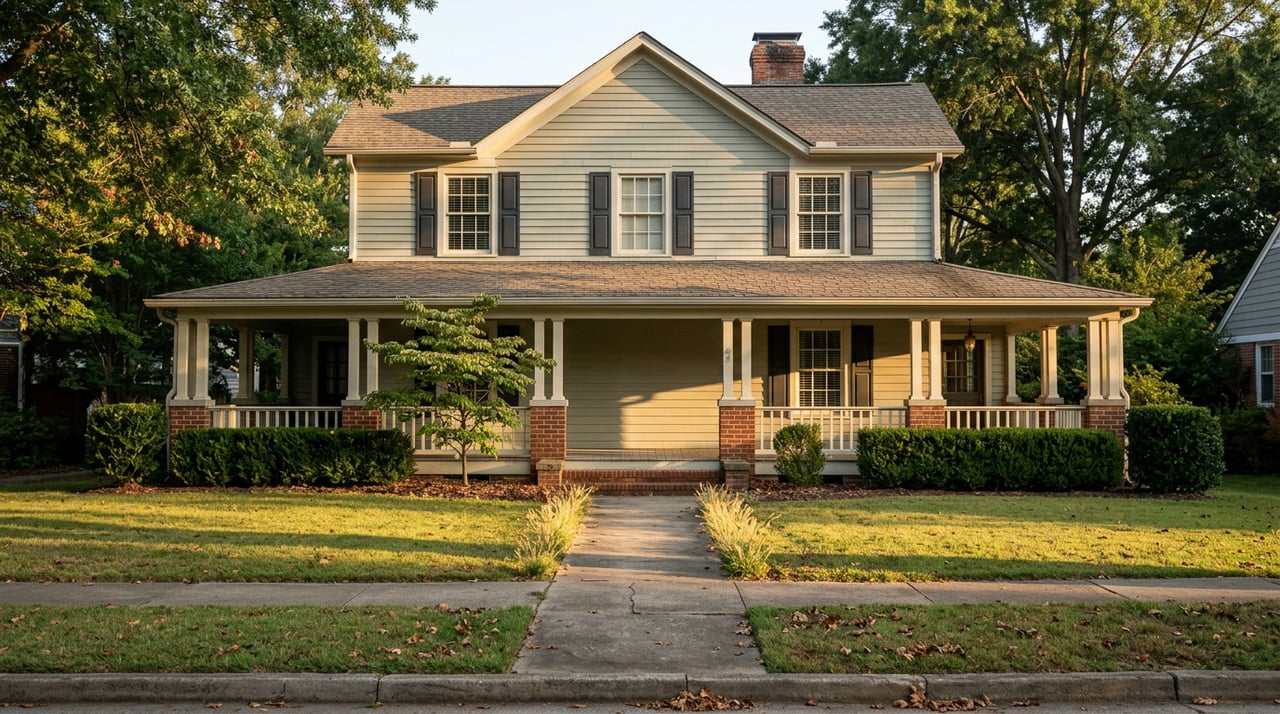
Mount Rainier has several traits that can make house hacking practical. According to the City of Mount Rainier’s housing history overview, the city has about 1,100 single-family homes along with three large apartment developments built in the 1940s. That older housing stock can create more variety in layout, lot size, and legal property type than you might find in a newer subdivision.
The city’s planning framework also matters. Mount Rainier’s zoning and planning information notes that the N-COZ overlay is tied to neighborhood forms such as single-family detached, two-family, three-family, and townhouse housing. In plain language, that means the best house-hack opportunities are usually existing legal setups like a duplex, triplex, or another approved small multifamily property.
There also appears to be a meaningful renter base. The research report cites Census QuickFacts showing an owner-occupied housing unit rate of 23.5%, which suggests a substantial share of renter-occupied homes. For a buyer planning to live in one unit and rent the other, that can support the basic idea behind house hacking.
What house hacking means here
House hacking usually means buying a property, living in part of it, and renting out the rest to help offset your monthly housing expense. In Mount Rainier, that strategy is most realistic when you buy a legal owner-occupied duplex, triplex, small multifamily property, or a single-family home with a clearly documented and legally rentable setup.
One important limitation is the accessory dwelling unit route. Prince George’s County Planning says ADUs are currently prohibited countywide, even though the county created an ADU Task Force in 2025 to develop recommendations. So if your plan depends on adding a new backyard cottage or creating a brand-new ADU, that is not the straightforward path in Mount Rainier today.
That is why the strongest opportunities tend to come from buying the right property from the start. Instead of assuming you can create rental income later, you will usually want a property that already fits the zoning and use you need.
Mount Rainier prices and rents
The local numbers suggest a market that can be challenging, but still more workable than many close-in DC neighborhoods. The research report shows several recent price signals in the low-to-mid $500,000s, including Zillow’s average home value of $440,920, Redfin’s January 2026 median sale price of $528,000, and Realtor.com’s February 2026 median listing price of $505,000.
The same report also highlights how much pricing can vary by property type. Recent live examples included a 1922 single-family home listed at $385,000, a 1917 triplex at $495,000, and a remodeled four-bedroom single-family home at $549,000. For a house hacker, that spread matters because a legal multifamily property may offer better income potential even if the purchase price is not the lowest.
On the rental side, Zillow’s Mount Rainier rental market data shows an average rent of $1,562 across property types. The same page shows average rents of $1,345 for a one-bedroom, $1,562 for a two-bedroom, $2,450 for a three-bedroom, and $3,995 for a four-bedroom.
Those are useful numbers, but they do not tell the whole story. Zillow also labeled the market cool and showed 19 available rentals as of April 6, 2026, which suggests you should underwrite conservatively rather than assume every unit will rent instantly at top dollar.
A simple house hacking example
A quick back-of-the-envelope analysis can help you see whether a property deserves a deeper look. The research report notes that Fannie Mae guidance for a principal residence with two to four units may use gross rent multiplied by 75% when calculating net monthly rental income.
Using Mount Rainier’s average two-bedroom rent of $1,562, a conservative 75% estimate is $1,171.50 per month. Using the average three-bedroom rent of $2,450, that same approach gives you $1,837.50 per month. That is not your final cash flow, but it gives you a practical starting point.
From there, you would still need to account for:
- Principal, interest, taxes, and insurance
- Maintenance and repairs
- Vacancy
- Utilities, if the owner covers them
- Local licensing costs
- Any limits related to rent stabilization
This is where buyers sometimes get tripped up. A property can look exciting on paper, but if you do not test realistic rent against realistic expenses, the monthly payment can still feel heavy.
Financing rules to know
House hacking often works best when you are buying as an owner-occupant rather than as a non-owner investor. The Consumer Financial Protection Bureau explains that creditors generally consider your income, assets, employment, credit history, and monthly expenses when evaluating your ability to repay.
That owner-occupied angle can be especially important with small multifamily properties. Freddie Mac’s guidance for two- to four-unit properties is geared to owner-occupied primary residences, and the research report notes that rental income from the other units can be added to qualifying income. Fannie Mae also allows a two- to four-unit principal residence as eligible subject property, with rental-income rules built into underwriting.
For some buyers, that can open doors that a standard single-family budget would not. The report also notes that some mission-driven conventional programs may allow up to 95% loan-to-value on owner-occupied two- to four-unit homes, though loan options always depend on your qualifications and the property itself.
If you are looking at a three- or four-unit property with FHA financing, the math can get stricter. The research report points to HUD’s self-sufficiency test for three- to four-unit properties, which looks at fair-market rent, vacancy and maintenance adjustments, and the relationship between net rental income and the monthly housing payment. In other words, the property has to make sense not just for you, but for the loan guidelines too.
Zoning and licensing can make or break the deal
In Mount Rainier, the biggest friction points are often not the idea of house hacking itself, but whether the property is actually legal for the use you want. That is why zoning, occupancy, and licensing checks should happen early.
The city states that if you rent anything out, you need a residential occupancy license from Mount Rainier before an owner or agent rents, leases, or otherwise lets a dwelling unit or rental facility. The research report also notes that Prince George’s County identifies Mount Rainier as one of the municipalities that is not licensed under the county rental licensing program, so the city process is the one that matters locally.
That may sound like a technical detail, but it is a big one. If you are comparing two similar properties, the one with a clearer legal rental setup may be the safer and more valuable buy.
What to look for in a Mount Rainier property
If you are shopping with house hacking in mind, focus on properties that align with the city’s existing housing patterns and approval framework. In Mount Rainier, that usually means being practical rather than speculative.
A few green flags include:
- A legal duplex, triplex, or small multifamily layout
- A clearly documented rental unit or approved configuration
- A floor plan that gives you privacy as an owner-occupant
- Rent potential supported by current local comps
- A purchase price that still works after repairs and reserves
A few caution flags include:
- Plans that depend on building a new ADU
- Unclear or undocumented conversions
- Numbers that only work with aggressive rent growth
- Deferred maintenance that could eat up your cash flow
- A layout that makes shared living difficult in practice
Because Mount Rainier has many older homes, condition matters a lot. Renovation potential can be a plus, but only if your budget leaves room for the work.
Why conservative underwriting matters here
Mount Rainier can be a plausible house-hacking market because it blends moderate entry pricing, older housing stock, and rental demand near Washington, DC. But this is not the kind of market where you want to stretch your assumptions.
That is especially true because the research report notes that Mount Rainier adopted a rent stabilization ordinance effective February 21, 2023. Before you rely on future rent increases in your long-term plan, you should verify how any local rent-growth limits or exemptions apply to the property you are considering.
A smart approach is to treat the purchase as both a home and a small rental business. If the property still feels comfortable after you account for financing, repairs, vacancy, licensing, and realistic rent, then you may have found a strong fit.
The best path for most buyers
For most budget-conscious buyers, the clearest house-hacking path in Mount Rainier is a legal owner-occupied duplex, triplex, or small multifamily property. A single-family home may still work if it has a clearly documented and legally rentable setup, but the path is usually less flexible if your plan depends on creating new rental space later.
This is where local guidance can really help. In a market with older homes and lot-by-lot differences, you want to evaluate not just price and charm, but also layout, legality, renovation needs, and income potential together.
If you want help identifying realistic house-hacking opportunities in Mount Rainier, connect with Licia Galinsky for practical, local guidance on how to compare properties, run the numbers, and move forward with confidence.
FAQs
What is house hacking in Mount Rainier, MD?
- House hacking in Mount Rainier usually means buying a home, living in one part of it, and renting out another legal unit or rentable area to help offset your monthly housing costs.
Are ADUs allowed for house hacking in Mount Rainier, MD?
- No. According to Prince George’s County Planning, accessory dwelling units are currently prohibited countywide, so buyers should focus on existing legal duplexes, triplexes, small multifamily properties, or approved rental setups.
What are Mount Rainier rent levels for house hacking?
- Zillow’s rental market data in the research report shows average rents of $1,345 for a one-bedroom, $1,562 for a two-bedroom, $2,450 for a three-bedroom, and $3,995 for a four-bedroom.
Do you need a rental license in Mount Rainier, MD?
- Yes. Mount Rainier requires a residential occupancy license before an owner or agent rents, leases, or otherwise lets a dwelling unit or rental facility.
What property type is best for house hacking in Mount Rainier, MD?
- For many buyers, the strongest option is a legal owner-occupied duplex, triplex, or small multifamily property because those setups align more closely with local zoning patterns and financing guidelines.