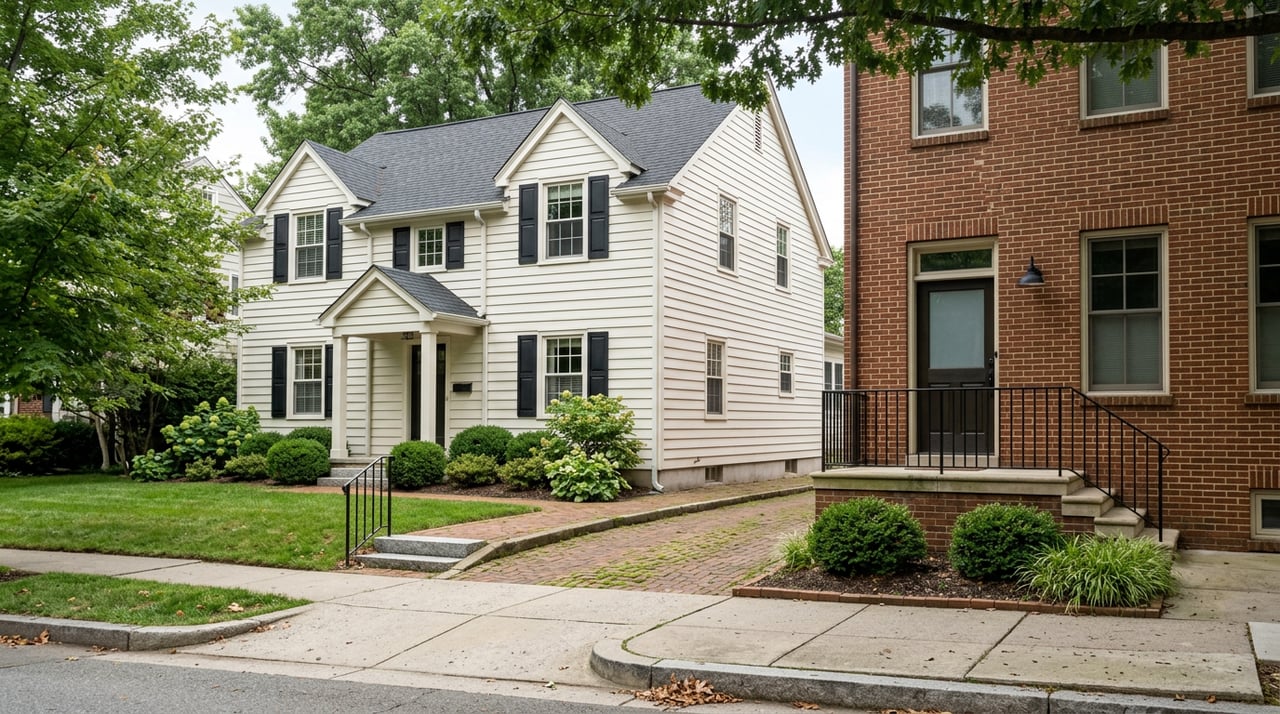
One street can change everything in Chevy Chase. Cross Western Avenue and your property taxes, school assignments, lot size, and even closing costs can all shift. If you are weighing Chevy Chase, Maryland against Chevy Chase in D.C., you are not alone. In this guide, you will see how the housing options differ on each side, what that means for your budget and lifestyle, and how to compare addresses with confidence. Let’s dive in.
Where the line is and why it matters
Chevy Chase is really two places that meet at the D.C.–Maryland boundary. On the Maryland side, several small towns and unincorporated sections in Montgomery County make up “Chevy Chase,” each with its own local rules and services. On the D.C. side, Chevy Chase is a single neighborhood in Ward 3. The dividing line largely follows Western Avenue.
That line matters. It determines your school system, property and income tax rules, local services, and planning or zoning controls. To see how fine-grained the Maryland side is, review the county’s levy schedule that lists multiple Chevy Chase municipal districts. You can also visualize one of the incorporated areas using the Village’s official map. Montgomery County’s levy schedule and the Chevy Chase Village map help show how the boundary plays out on the ground.
How housing options differ
Maryland side: larger lots, detached focus
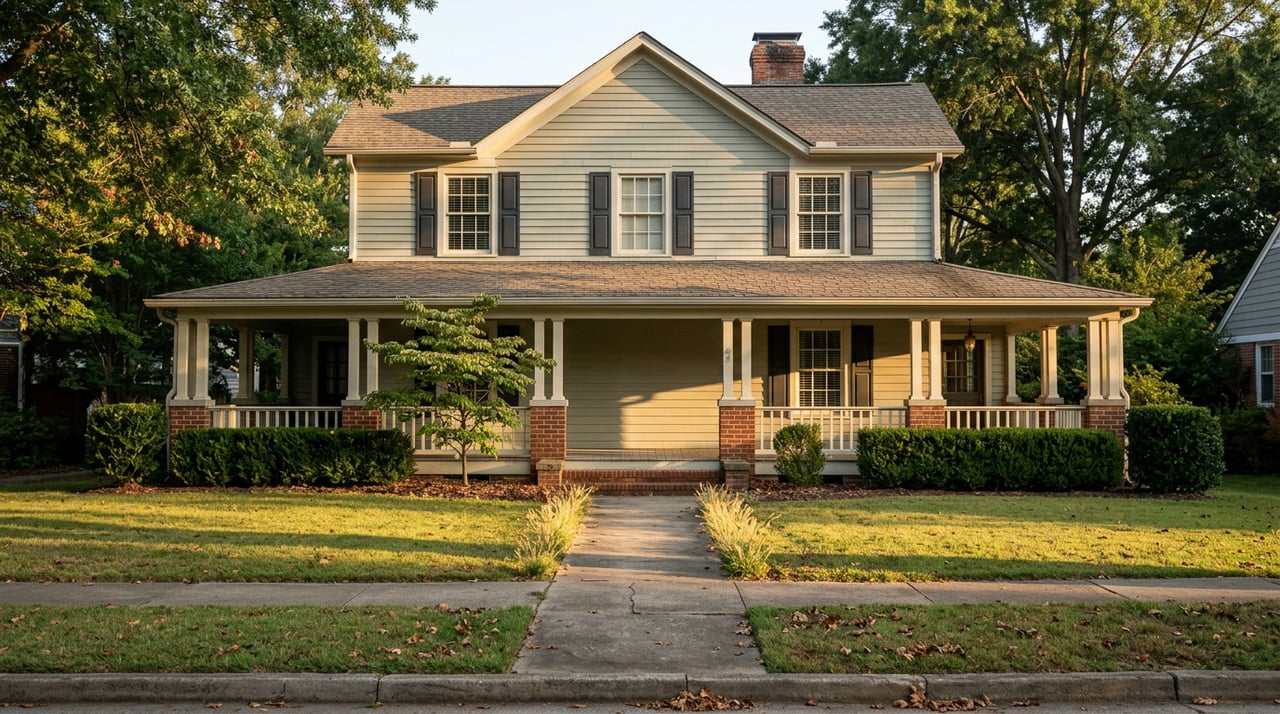
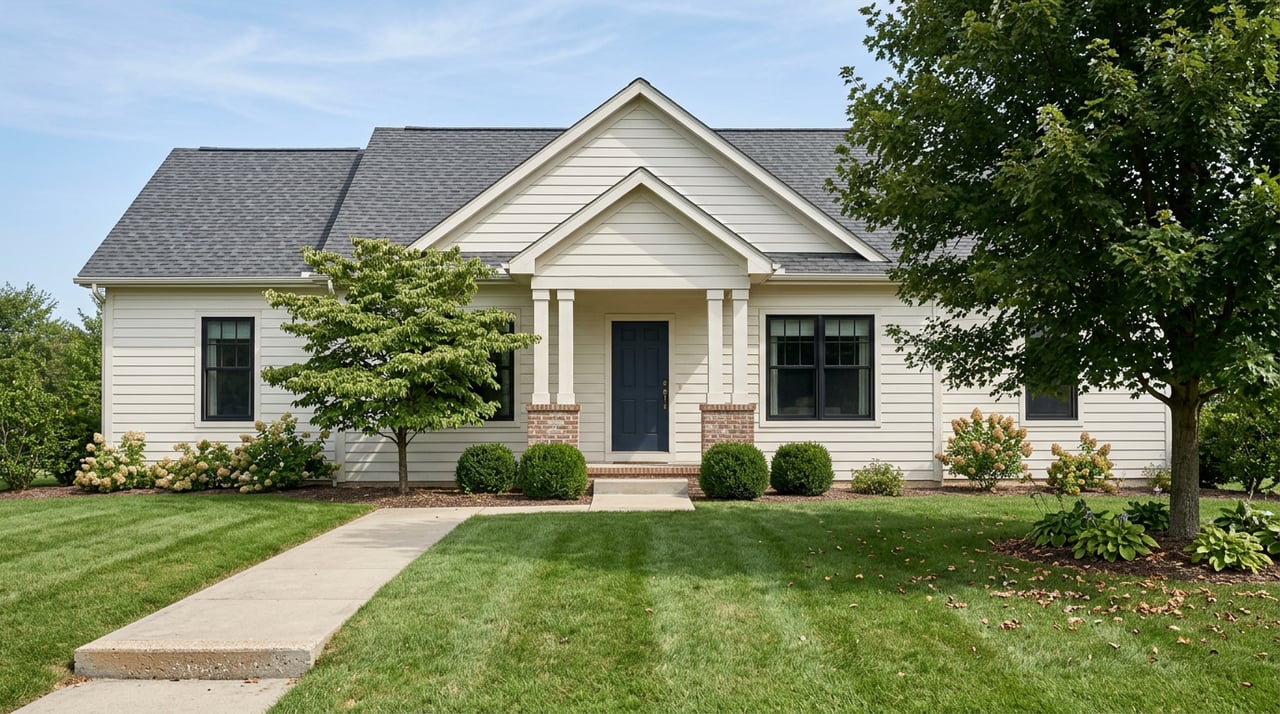
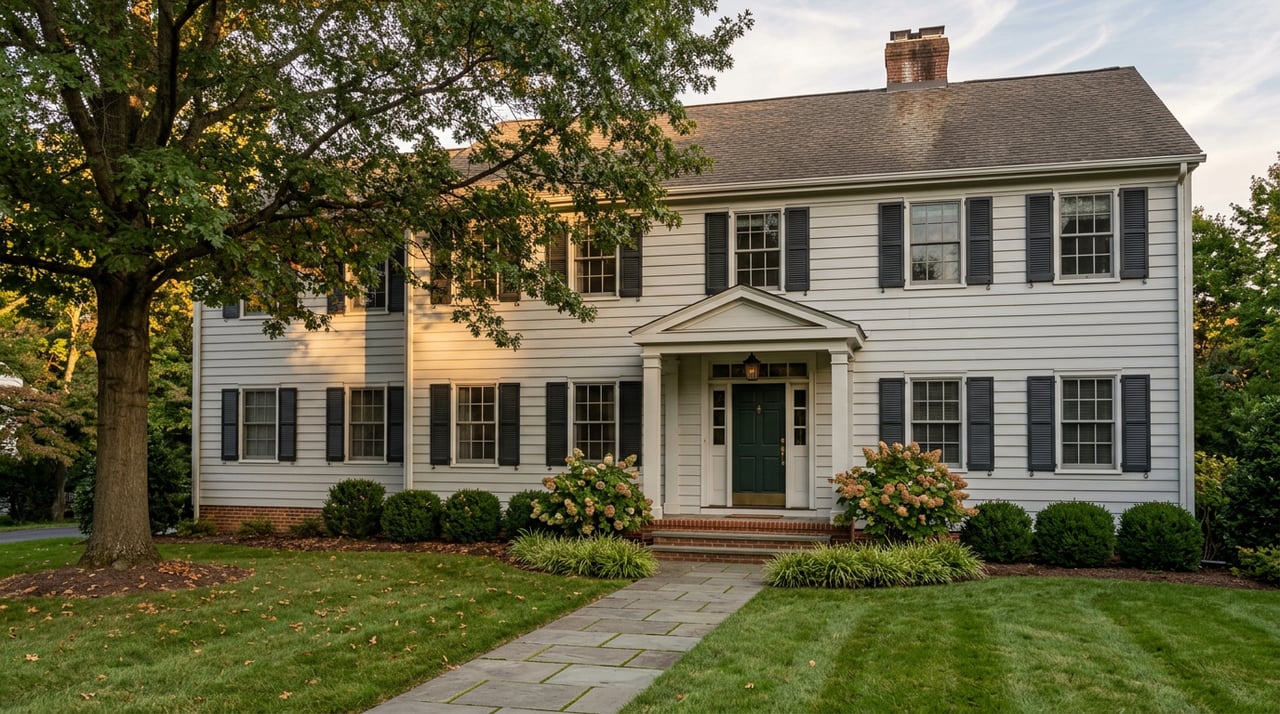
On the Maryland side, you will mostly find single-family detached homes on larger lots. Many are early 20th-century Colonials and Tudors, along with renovated and new builds. Near Friendship Heights and along key corridors, you will also see garden-style condos and some mid to high-rise buildings. Incorporated towns often preserve a low-density, residential feel. For a planning overview, see Montgomery Planning’s Chevy Chase community page.
D.C. side: mix of types, closer to retail
Chevy Chase in D.C. reads like a suburb within the city. You will see a mix of detached and semi-detached homes, classic rowhouses, and small apartment or condo buildings near Connecticut and Wisconsin avenues. Lots are typically smaller, and homes closer to retail corridors often have higher price per square foot because of walkability and transit access.
Price patterns at a glance
Neighborhood snapshots show the D.C. side often trading at higher price per square foot near Metro and retail. A recent market snapshot placed the Chevy Chase D.C. median near about 1.35 million dollars as of January 2026, while the broader Chevy Chase, Maryland area typically shows medians in the low to mid 1 million range depending on the exact section. Many single-family homes on either side sell between 1 and 3 million dollars based on lot size, square footage, and renovation level. Treat medians as time-sensitive and verify block-by-block with current comps.
Taxes and ongoing costs
Property taxes
- District of Columbia: The residential Class 1A rate is 0.85 dollars per 100 dollars of assessed value. Some two-unit properties have a split rate. Confirm your property class with DC’s Office of Tax and Revenue. See DC real property tax rates.
- Montgomery County, Maryland: The county’s weighted average real property rate is about 1.0255 dollars per 100 dollars of assessed value for FY2025, but total taxes vary by municipal district. Incorporated Chevy Chase villages and sections often add local levies, which can bring totals in the roughly 1.15 to 1.33 range depending on the exact district. Review the county’s PAFR and levy schedule for details. See the Montgomery County PAFR and levy schedule.
Bottom line: DC’s headline rate often looks lower, but some Maryland municipal totals can exceed DC once local levies are added.
Income taxes
- District of Columbia: DC residents pay District income tax under a progressive schedule, with a top marginal rate of 10.75 percent over 1,000,000 dollars as published by OTR. See DC individual income tax rates.
- Maryland/Montgomery County: Maryland has progressive state income tax and a local county tax. Recent changes set the state’s top rate up to 6.50 percent for the highest incomes, and Montgomery County historically applies a 3.20 percent local rate. Your combined state plus county rate determines your marginal burden. See the Maryland Comptroller’s 2025 tax alert and the county PAFR above.
Practical take: High earners may face higher top rates in DC, while Maryland residents pay a combined state plus county rate that can be competitive depending on income.
Transfer and recordation at closing
- District of Columbia: DC collects both transfer and recordation taxes. Rates are tiered by price and property type, and first-time buyer reductions may apply under specific rules. See the DC Tax Facts Visual Guide for an overview.
- Maryland/Montgomery County: Buyers typically pay a state transfer tax of 0.5 percent, with a reduced 0.25 percent for eligible first-time Maryland homebuyers. Counties add local transfer and recordation taxes that vary, and totals depend on municipality and whether the loan is recorded. For context, review Maryland’s guidance on state and local components in the state reference document.
Commutes, transit, and daily life
Friendship Heights on the Red Line serves both sides of Chevy Chase, and proximity to a Metro entrance often shortens trips downtown. Addresses on the D.C. side and Maryland blocks immediately around Friendship Heights tend to have the most walkable access to transit and retail. Elsewhere on the Maryland side, many errands and school runs are car-based because of larger lots and quieter residential streets.
County data show longer average commute times for Montgomery County residents, which fits the suburban drive pattern into job centers like downtown DC and Bethesda. See Census QuickFacts for Montgomery County for context.
Schools and boundaries
School systems differ by side of the line. The Maryland side is served by Montgomery County Public Schools, and the D.C. side is served by District of Columbia Public Schools. Feeder patterns, program options, and enrollment processes are not the same. If schools are part of your decision, verify assignments by exact address using the official boundary lookup tools for MCPS and DCPS before you write an offer. School zones can change over time.
Long-term value drivers
- Zoning and buildability. Larger lots on the Maryland side can create different renovation or rebuild potential, but some incorporated towns have design controls and local rules. The D.C. side has limited lot availability near transit, which can support higher price per square foot over time.
- Taxes and carrying costs. Small differences in property and income tax rates compound across years, and transfer plus recordation taxes raise your acquisition cost. Compare address-level totals using DC OTR and Montgomery County levy resources.
- Schools and services. Changes to boundary lines or program availability can influence resale demand. Always confirm current assignments by address.
Your buyer checklist
- Confirm the exact jurisdiction and municipal district. Use county or DC property lookups to see whether the address sits in DC or a specific Maryland municipal section. Start with the Montgomery County levy schedule to understand municipal districts.
- Request recent tax bills. Ask for the last one to two years of property tax bills and any municipal special assessments. The Montgomery County PAFR explains county tax components.
- Verify school assignments by address. Use MCPS and DCPS boundary tools for the exact parcel to avoid surprises at enrollment.
- Compare apples to apples. Look at recent sold comps on both sides of the line with the same distance to Metro and similar lot size and condition. That isolates the jurisdiction effect.
- Model closing costs. Include state plus county or DC transfer and recordation taxes, and check for first-time buyer reductions in both jurisdictions. Start with DC’s Tax Facts Visual Guide and Maryland’s state reference.
If you are deciding between a larger-lot home with a neighborhood-town feel or a walkable address steps from transit and retail, you have great options in Chevy Chase. A side-by-side, address-level analysis will help you see the right fit for your lifestyle and budget. If you want block-level guidance, closing cost scenarios, and practical renovation insight, connect with Licia Galinsky for a friendly, local conversation.
FAQs
What changes when you buy in Chevy Chase MD versus DC?
- Taxes, school systems, and some local services differ. Property and income tax rules, municipal levies, and transfer or recordation taxes vary by jurisdiction and, on the Maryland side, by municipal district.
Where are larger lots more common in Chevy Chase?
- Larger lots and detached single-family homes are more common on the Maryland side, especially within incorporated towns and residential sections, while the D.C. side has a mix that includes smaller lots, rowhouses, and small condo buildings near corridors.
How do DC vs Maryland closing taxes affect my budget?
- DC typically charges both transfer and recordation taxes with tiered rates, while Maryland buyers pay state plus county components and possible first-time buyer reductions. Model both sets of fees for your price point before making offers.
Is transit access better on the DC or MD side of Chevy Chase?
- Walkable access to a Red Line entrance is often more common on the D.C. side and in the Maryland blocks right around Friendship Heights. Farther into Maryland neighborhoods, daily trips tend to be more car-based.
How are public school assignments determined in Chevy Chase?
- The Maryland side follows Montgomery County Public Schools boundaries, and the D.C. side follows District of Columbia Public Schools boundaries. Assignments depend on the exact address, so always verify with the official boundary tools.
Do prices run higher on the DC side of Chevy Chase?
- The D.C. side often shows higher price per square foot near transit and retail, while the Maryland side can offer larger lots for comparable dollars. Medians shift over time, so rely on current, address-level comps.