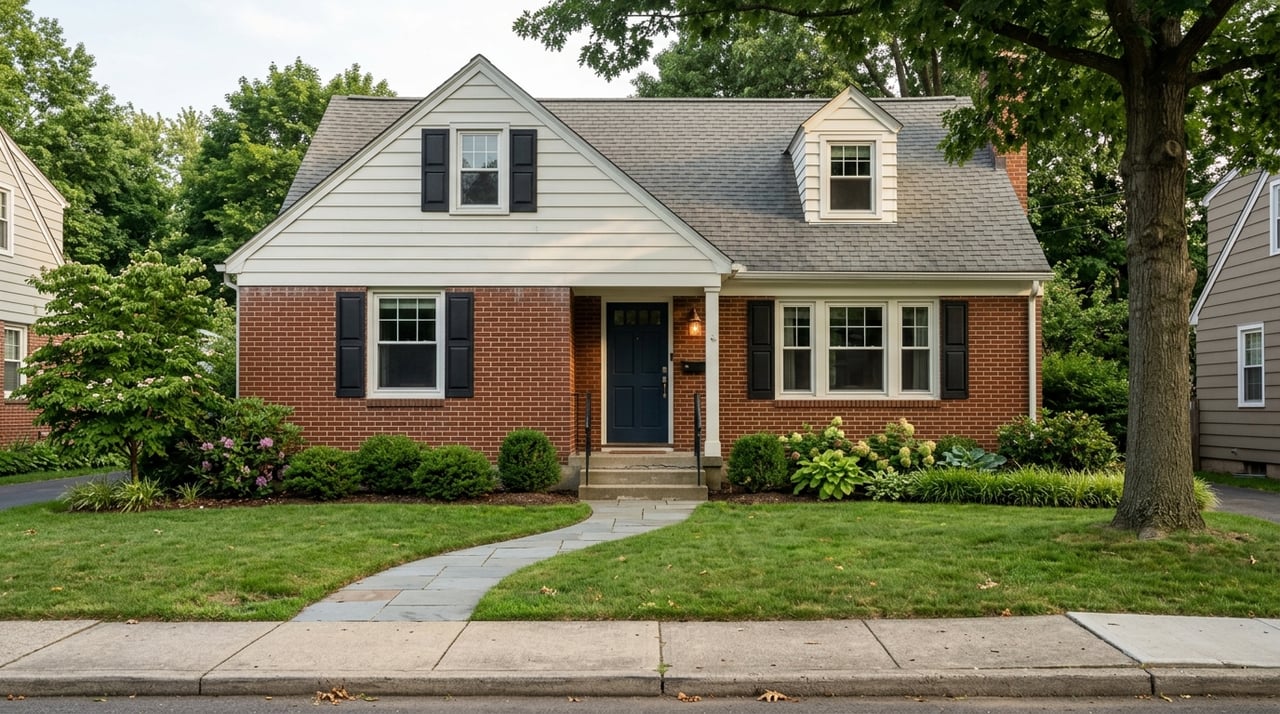
Wondering if Kensington is the kind of place that feels connected and calm? That is often the big question for home shoppers who want neighborhood character, easy access around Montgomery County, and housing that does not all look the same. If you are considering Kensington, this guide will help you understand what the town feels like, what kinds of homes you may find, and what to look for before you buy. Let’s dive in.
Why Kensington Stands Out
Kensington is an incorporated town in Montgomery County, not just a neighborhood name. It covers about 0.5 square miles and has a population of 2,122, which helps explain why it often feels more intimate than larger nearby communities.
That small footprint gives Kensington a distinct identity. The town describes itself as a place to live and explore, with access to Washington, Baltimore, and Annapolis. For many buyers, that combination of local character and regional connection is a big part of the appeal.
Montgomery Planning also describes Kensington as a critical crossroads in the county road network, centered on Connecticut Avenue. In practical terms, that means you get a town feel with neighborhood services and retail close by.
Kensington’s Small-Town Feel
Kensington’s history still shapes how the town looks and feels today. The area grew after the Metropolitan Branch railroad arrived, when Brainard Warner developed Kensington Park as a planned Victorian community. The town was incorporated on April 6, 1894.
That origin story matters because Kensington still reads as an older, character-rich place. Much of the town is designated historic, and the Kensington Historic District is known for curving streets, garden settings, and large detached homes.
If you are moving from a more typical suburban subdivision, this can feel very different. Streetscapes tend to have more variation, older architectural details, and a village-like rhythm that many buyers notice right away.
What You’ll See Around Town
Kensington has a compact center with local landmarks and gathering spaces that reinforce its identity. Warner Circle Special Park sits in the heart of the historic district and includes an 1893 to 1914 Queen Anne house and a 1914 carriage house.
You will also find the Noyes Library for Children, which is identified as the oldest library in Montgomery County. The town is also widely known for Antique Row, Victorian homes, and independent shops and restaurants.
On Saturdays, the farmers market at the Kensington MARC station adds another local touch. For buyers who want a place with visible community life, these details help explain why Kensington often feels more like a town center than a pass-through suburb.
Housing Styles in Kensington
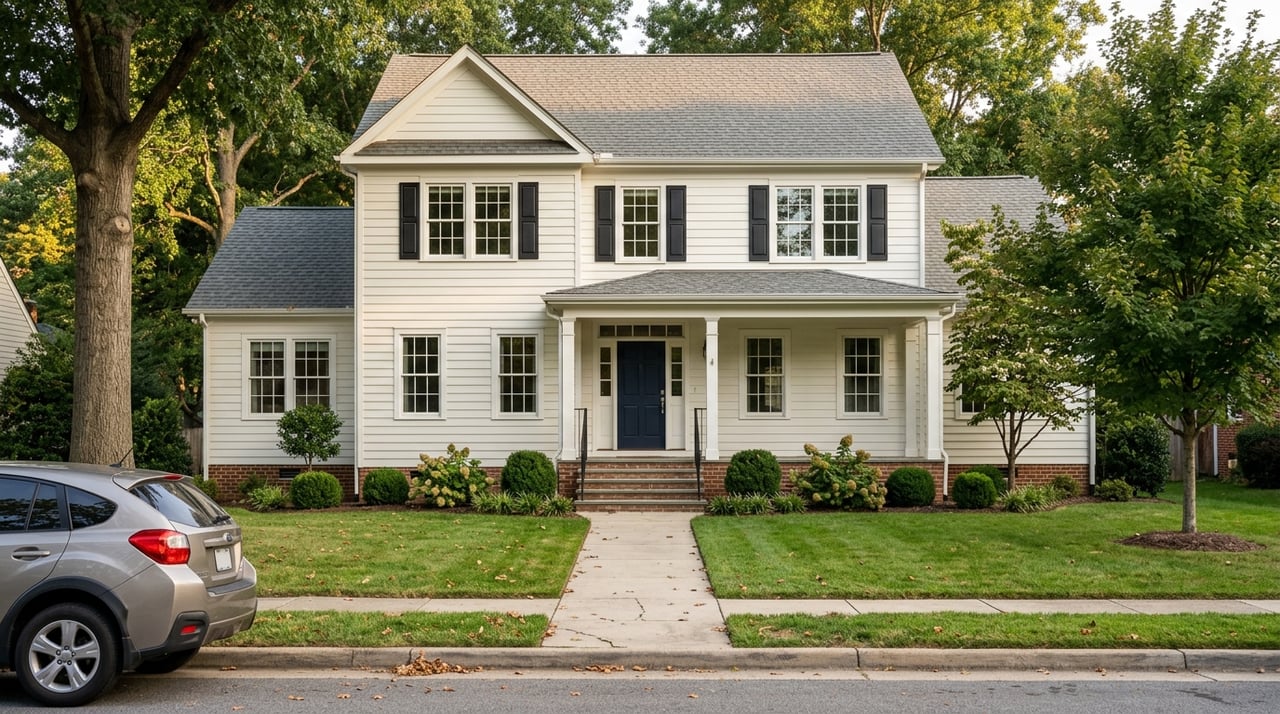
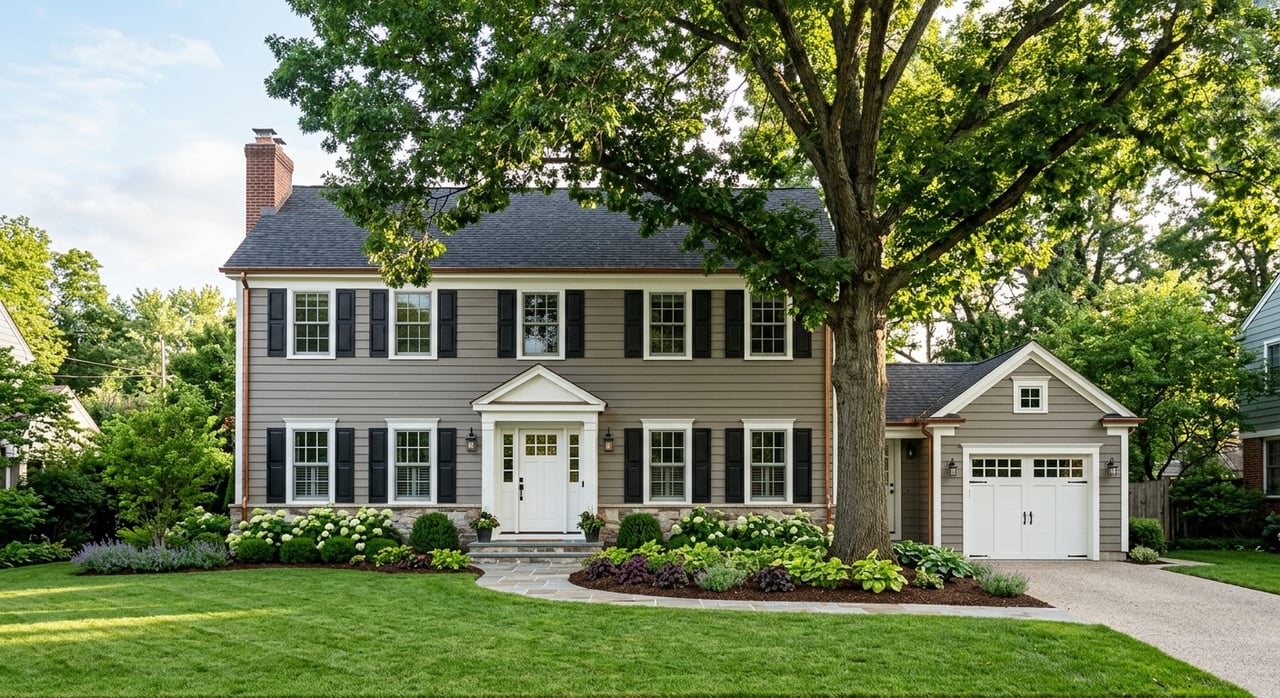
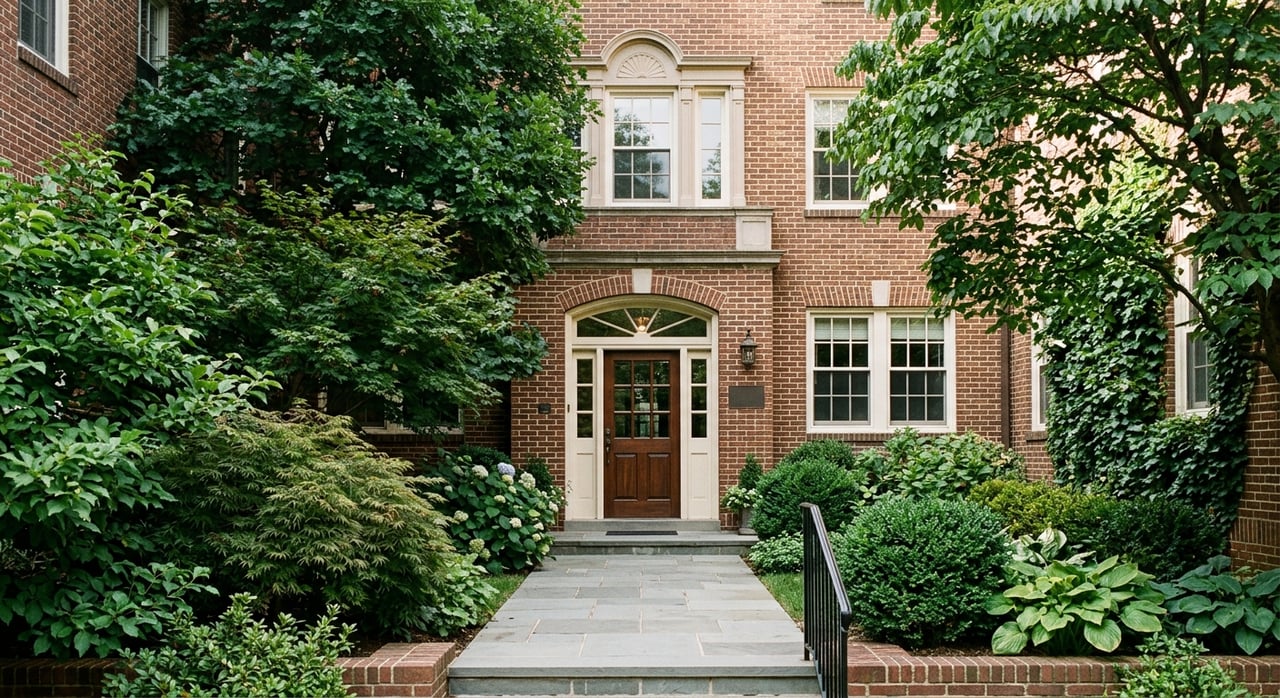
One of the biggest strengths of Kensington is that the housing stock is not one-note. In the historic district, Montgomery Planning identifies styles including Queen Anne, Shingle, Colonial Revival, Bungalow/Craftsman, and American Foursquare.
That variety can be a real advantage when you are trying to match a home to your taste and budget. Some buyers are drawn to older homes with architectural details and established settings, while others may prefer smaller in-town options that keep them close to the center.
Planning materials also note that Kensington includes a range from small apartments near Antique Row to larger single-family homes in the historic district, along with housing intended for older residents. In other words, you should expect more mix and nuance than you might find in a uniform tract development.
How Kensington Compares Nearby
If you are also touring nearby parts of Montgomery County, Kensington may stand out for its older and more varied housing character. County planning materials note that many postwar areas in the county feature Cape Cods and two-story brick houses.
That does not mean Kensington lacks those nearby comparison points. It simply means the town itself often offers a broader mix of earlier architectural styles and a more historic setting.
For some buyers, that is exactly the draw. For others, it is a reminder to look closely at maintenance needs, layout differences, and renovation plans before making an offer.
What Renovation-Minded Buyers Should Know
If you love older homes, Kensington can be especially appealing. But charm and flexibility are not always the same thing, especially in historic areas.
Montgomery Planning states that exterior changes to a historic site or a building in a historic district can require a Historic Area Work Permit. That means if you are planning to change windows, siding, porches, roofs, or other exterior features, you should verify the property’s status before assuming you can move ahead freely.
This is one reason local guidance matters. A home may look like a simple cosmetic opportunity at first glance, but historic district rules can affect timeline, design choices, and project scope.
Parks and Outdoor Spaces
For a town of its size, Kensington offers an impressive park network. The town says it maintains six town parks and is home to four county parks.
Several parks stand out for everyday use. Warner Circle Special Park adds green space and historic interest in the town center, while Kensington Cabin Local Park includes basketball courts, playgrounds, softball fields, tennis courts, and an activity building.
Kensington Parkway Stream Valley Park is another part of the local park mix. For buyers thinking about day-to-day livability, these parks add options for outdoor time without needing to leave town.
Transit and Getting Around
Kensington appeals to many buyers because it offers a small-town setting without cutting you off from the wider region. The town has its own MARC stop on the Brunswick Line, which can be a major plus for some commuters.
There is one practical detail to keep in mind. According to MTA, parking at the Kensington MARC station is very limited and typically fills early.
Beyond MARC, nearby Red Line access in the broader area includes Silver Spring, Wheaton, and Forest Glen. Connecticut Avenue also serves as a major north-south corridor, which helps connect Kensington to surrounding communities.
Walkability and Daily Convenience
Kensington’s planning framework points toward a walkable center. The Kensington Sector Plan envisions a village center near the MARC station, and Montgomery Planning says the center should be reachable by walking and bicycle from Kensington’s neighborhoods.
The town’s redevelopment materials also describe Kensington as a livable and walkable community. For buyers, that usually translates into a place where daily errands, local spots, and community destinations can feel more connected than in spread-out suburban patterns.
Of course, walkability can vary from one property to another. If this is a top priority for you, it is worth comparing how close each home sits to the town center, parks, and transit.
Questions to Ask When Touring Homes
Because Kensington is small but layered, it helps to tour with a clear checklist. A few practical questions can quickly tell you whether a home fits your goals.
Consider asking:
- Is the property inside the incorporated Town of Kensington?
- Is it inside the historic district?
- What style and era is the home, and what does that mean for upkeep?
- How close is it to the town center, parks, and the MARC station?
- If you want to renovate, could exterior changes require a Historic Area Work Permit?
These are the kinds of details that shape your experience after closing, not just during the search.
Is Kensington Right for You?
Kensington may be a strong fit if you want a true town identity, distinctive housing, and access to parks, local businesses, and commuter options. It can be especially appealing if you value older architecture, a walkable center, and a setting that feels established rather than interchangeable.
It may also be worth a closer look if you are comparing nearby communities and want more personality in the housing stock. At the same time, buyers should be ready to evaluate historic district considerations, older-home maintenance, and property-by-property differences in access and layout.
That is where local, block-level guidance really helps. In a place like Kensington, the details matter.
If you are thinking about buying in Kensington, working with a neighborhood-focused brokerage can help you sort through historic district questions, compare housing options, and focus on the streets and properties that best match your goals. Licia Galinsky brings the kind of hands-on local perspective that can make your search clearer and more confident.
FAQs
Is Kensington, Maryland a real town or just a neighborhood name?
- Kensington is an incorporated town in Montgomery County, and buyers should still verify whether a specific property is inside the town limits.
What kinds of homes can you find in Kensington, Maryland?
- Kensington includes a mix of housing, from small apartments near Antique Row to larger single-family homes, with styles in the historic district including Queen Anne, Shingle, Colonial Revival, Bungalow/Craftsman, and American Foursquare.
Do Kensington, Maryland homes in the historic district have renovation rules?
- Yes, exterior changes to a historic site or a building in a historic district can require a Historic Area Work Permit, so it is important to confirm the property’s historic status early.
Is Kensington, Maryland good for commuting?
- Kensington offers a MARC stop on the Brunswick Line, nearby Red Line access in the broader area, and Connecticut Avenue as a major corridor, which gives buyers several ways to get around.
What makes Kensington, Maryland feel walkable?
- Planning materials describe a village center near the MARC station and a community where the center should be reachable by walking and bicycle from surrounding neighborhoods.
Are there parks in Kensington, Maryland?
- Yes, the town says it maintains six town parks and is home to four county parks, including places like Warner Circle Special Park and Kensington Cabin Local Park.