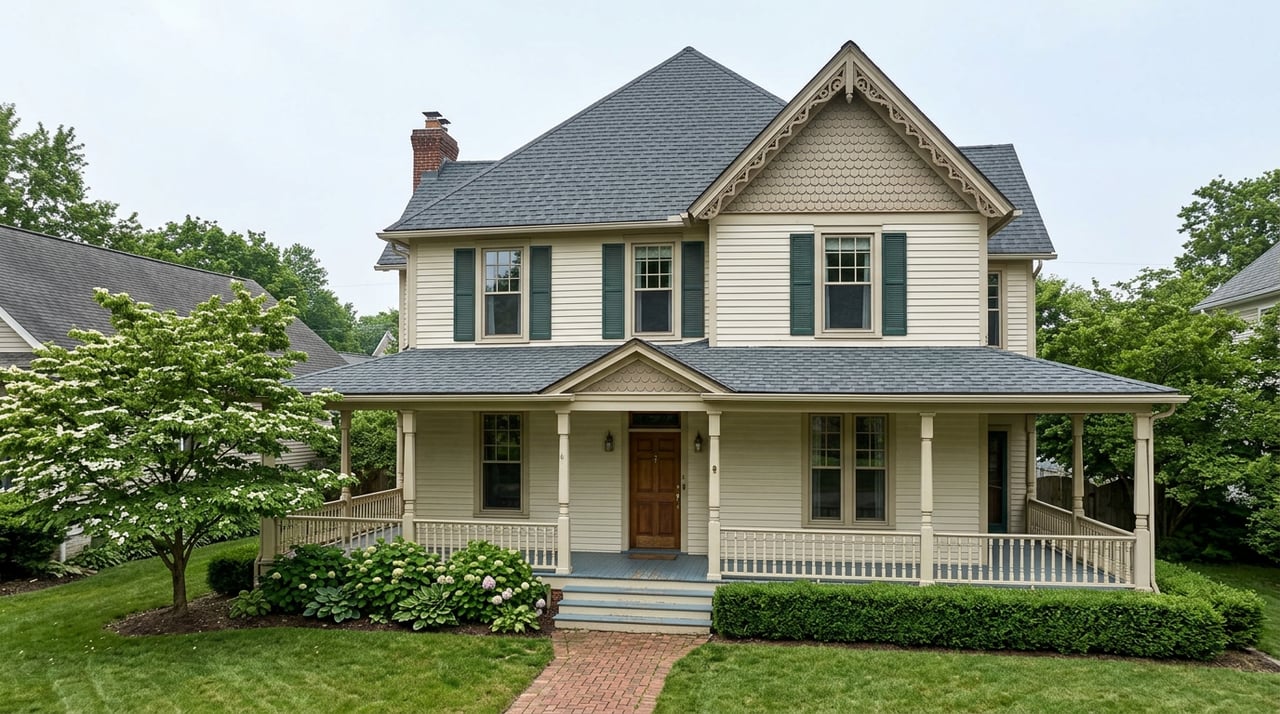
Say you own a Queen Anne on Baltimore Street and a storm cracks the sash on your front window. You call a contractor, get a quote, and figure you'll have a new window in by the weekend. Then someone mentions the house sits inside the Kensington Historic District, and the timeline you had in your head stops making sense.
Most homeowners in the district already know they need a Historic Area Work Permit, called a HAWP, from the Montgomery County Historic Preservation Commission before they touch anything visible from the street. What catches people off guard is who reviews the application first. Montgomery Planning's own guidance lists Kensington among a small group of towns, along with Chevy Chase Village, Garrett Park, Takoma Park, and Somerset, where the local government gets a look before the county ever sees the paperwork. In Kensington, that means the Town weighs in before the HAWP application moves to the county's Historic Preservation Commission. Two reviewers, not one, and the second one is easy to miss until you're already mid-project.
Why the Second Reviewer Exists
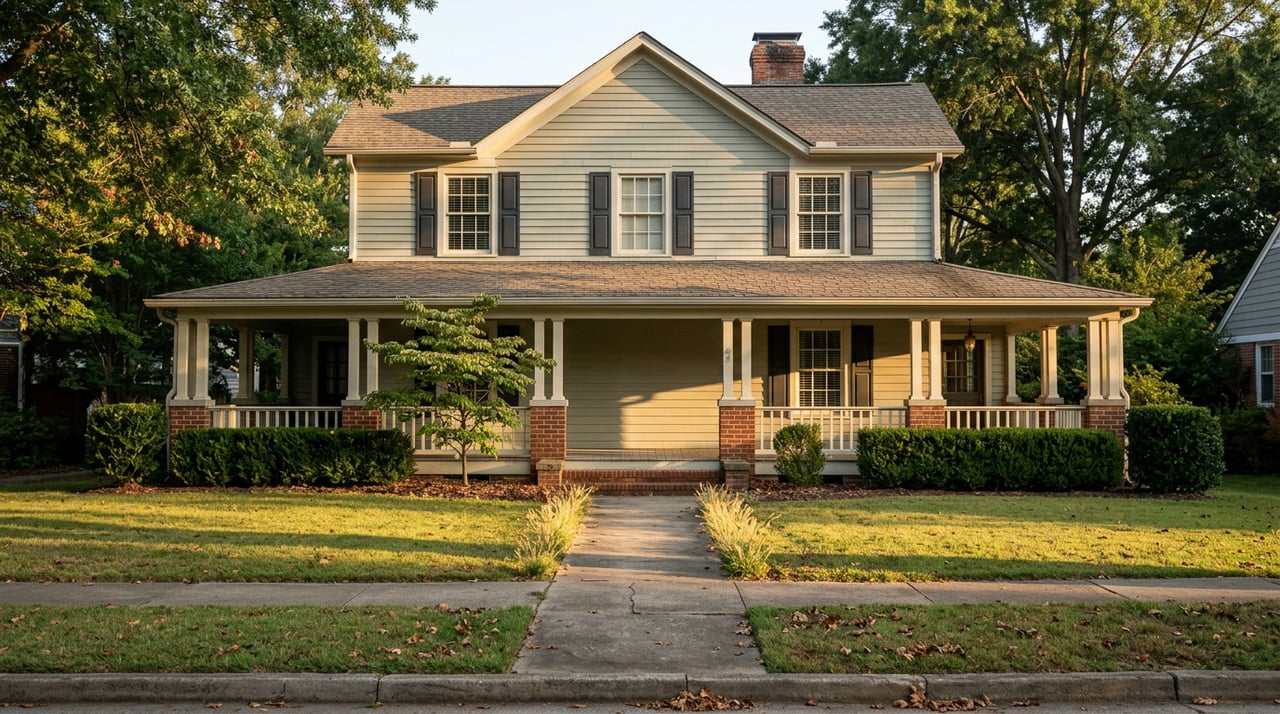
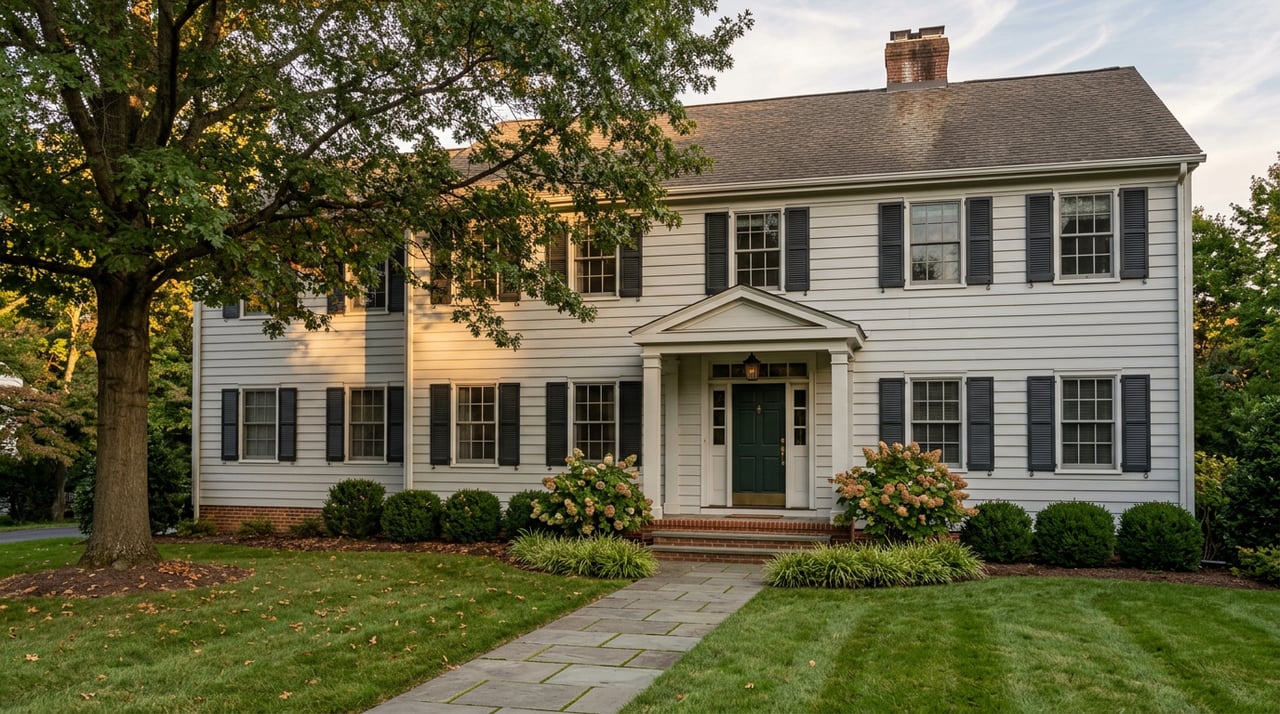
The Kensington Historic District was designated in 1986 through what's known as the Kensington Amendment to the county's Master Plan for Historic Preservation, making it one of the older and larger historic districts in Montgomery County. Its core is a collection of late 19th and early 20th century houses in styles that read as a catalog of Victorian architecture: Queen Anne, Shingle, Eastlake, Colonial Revival. The county's preservation ordinance protects that collection as a whole, which is why the review process doesn't stop at what a passerby can see.
The Kensington Historical Society is direct about how far the requirement reaches. A HAWP is needed to alter the exterior of a listed structure, and that includes changes that can't be seen from the street at all. New construction, grading, and removing a live tree all trigger the same review. Interior work, gardening, and what the ordinance calls ordinary exterior maintenance, meaning repairs that match existing materials and don't alter the frame, are the main categories that skip the process entirely.
The Town's role adds a layer most first-time renovators don't budget for in either time or paperwork. It's not a second veto so much as a second conversation, but it's a conversation you have to schedule before the county clock even starts.
What the Review Actually Catches, in Practice
This isn't a theoretical process. The Historic Preservation Commission's agenda for its April 2026 meeting includes a live example: a HAWP application for 10212 Montgomery Avenue, filed by Warner Circle Mansion Condominiums for installation of exterior mechanical equipment and window replacement. That's a routine ask, mechanical equipment and windows, and it still went through the full commission review. If you're picturing a bureaucratic rubber stamp, the reality is closer to a scheduled public meeting where your specific address and your specific project get named on the record.
Older county permit records show the range of what qualifies. A filing from late 2005 at 4010 Prospect Street covered demolition of a freestanding structure to add parking near the post office, issued in early 2006. A 2007 permit at 10400 Montgomery Avenue covered reconstruction of an original greenhouse. A 2010 permit at 3930 Washington Street was for a six-foot fence, approved with a condition that the applicant protect a tree in the public right of way. None of these are dramatic renovations. All of them needed sign-off before work started.
The Question the Sale Contract Asks That the Listing Photos Don't
If you're buying or selling in the district, this shows up again at the contract stage. Maryland's standard Residential Property Disclosure and Disclaimer Statement asks sellers to identify whether the property sits in a designated historic district, specifically because that status can limit what a buyer is able to renovate later. It sits in the same section as flood zone and HOA disclosures, treated as a fact a buyer needs before they commit, not an afterthought for closing.
For a buyer, that disclosure is worth reading twice. A house that looks move-in ready from the listing photos might still need a HAWP for the kitchen bump-out you're already planning, and that permit path runs through both the Town and the county before a contractor can start. For a seller who's already replaced a window or added a fence, the honest answer to "was this permitted" matters more here than in most Montgomery County neighborhoods, because the historic designation is the kind of fact a buyer's agent is trained to ask about directly.
What's Actually Behind the Walls
The permit process governs the outside. What's inside those Victorian-era houses is a separate set of questions, and they tend to surface during inspection, not before.
Homes in Kensington built before 1980, which covers most of the historic core, frequently carry galvanized steel supply lines that restrict water flow and corrode from the inside, along with 100-amp electrical panels that weren't sized for modern kitchen appliances. A local kitchen remodeling contractor working specifically in Kensington puts the added cost of addressing both during a renovation at $3,000 to $12,000, on top of the base project. Settled subfloors are common too, which matters most for anyone planning tile or hardwood, since either one will crack over an uneven surface.
None of this is unique to Kensington. It's the ordinary math of a housing stock built between the 1890s and 1920s. What is specific to Kensington is that fixing the outside consequences of that age, a new roofline, replacement siding, a rebuilt porch, runs through the review process described above, while fixing what's behind the walls generally doesn't.
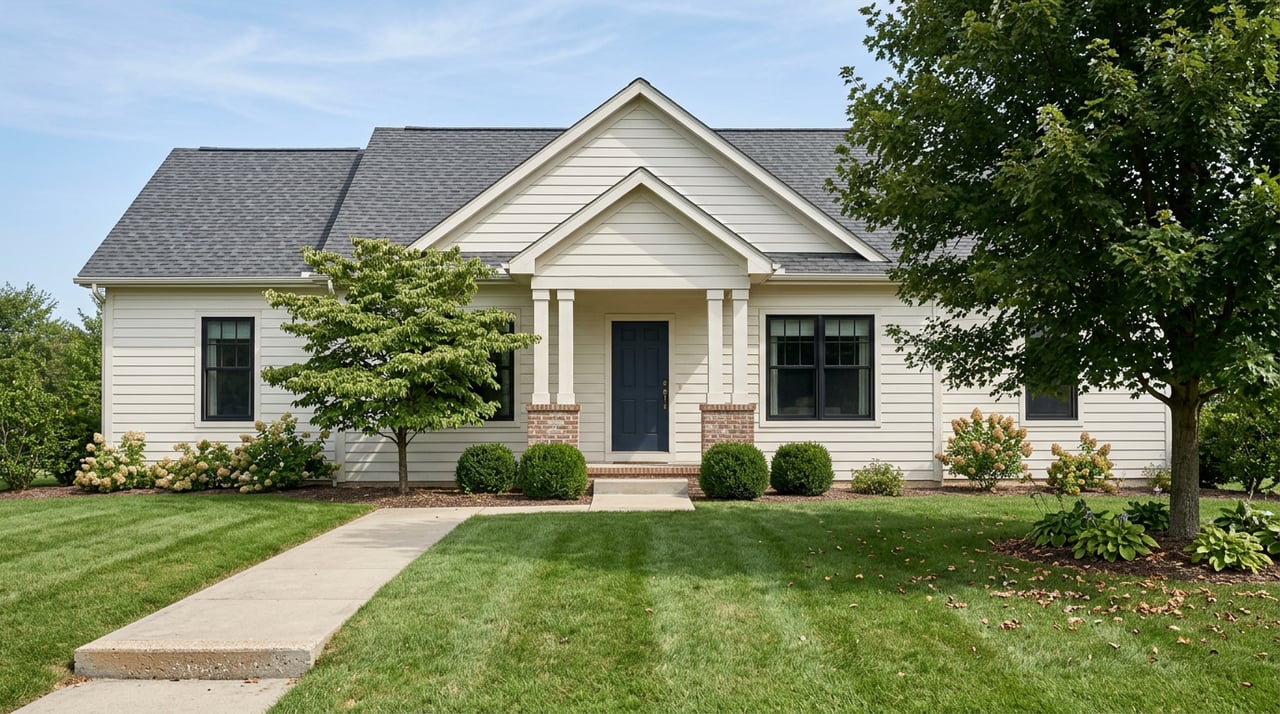
That split creates a real choice for buyers who want the walkability and train access Kensington is known for without the permit timeline. The district's boundary doesn't cover the whole town. Neighborhoods like Rock Creek Hills, Parkwood, and Chevy Chase View sit outside the historic core and carry mid-century housing instead of Victorian, which means standard county permitting applies to exterior work there, without the Town's additional review step.
| Inside the Historic District core | Rock Creek Hills / Parkwood (outside boundary) | |
|---|---|---|
| Typical housing era | 1890s to 1920s Victorian | Mid-century |
| Exterior permit path | HAWP plus Town review, then county HPC | Standard county building permit |
| Common inspection-era issues | Galvanized pipes, undersized panels, settled subfloors | Newer systems, fewer permit layers on exterior work |
The 25 Percent Most Owners Never Claim
Here's the part of this process that tends to surprise people in the other direction. The same HAWP that adds a Town review and a county hearing is also the document that unlocks money back. Montgomery County offers a property tax credit equal to 25 percent of what an owner spends restoring or preserving a historic property, applied against county real property tax, and it covers ordinary maintenance expenses over $1,000 as well as full restoration work. The catch, and it's a real one, is that the credit only applies to work covered by an approved HAWP. New construction doesn't qualify, and the credit is capped at the amount of county property tax owed.
In practical terms, that means the paperwork most owners see as the obstacle is also the paperwork that makes them eligible for a quarter of their restoration costs back. Owners who skip the HAWP because a project seems minor, or who treat the process as pure friction, are also the ones who never find out they had a credit waiting on the other side of it.
A Few Questions Worth Asking First
- Is the property listed on the Locational Atlas or the county's Master Plan for Historic Preservation, and does that place it inside the Kensington district boundary specifically?
- Does the planned work qualify as ordinary maintenance, which can skip the HAWP entirely, or does it alter the exterior frame in a way that requires full review?
- Has the Town of Kensington already weighed in on the project, or does that conversation still need to happen before a HAWP application goes to the county?
- If you're selling, are there any past exterior changes that were never permitted, and does the seller disclosure form reflect that accurately?
- If you're buying and planning renovations, have you kept the county's 25 percent restoration credit in mind when budgeting the project, since it only applies to HAWP-approved work?
None of this makes Kensington harder to love. It makes the district what it is: a place where the Victorian character on Baltimore Street and Howard Avenue didn't happen by accident, and where keeping it that way asks a little more of anyone who owns a piece of it.
If you're weighing a purchase in the historic core, or getting a Kensington house ready to list and want to know what's worth fixing before you go under contract, Branches Realty works this market block by block, permit questions included. Talk to a Local Broker before you put in an offer or a For Sale sign.