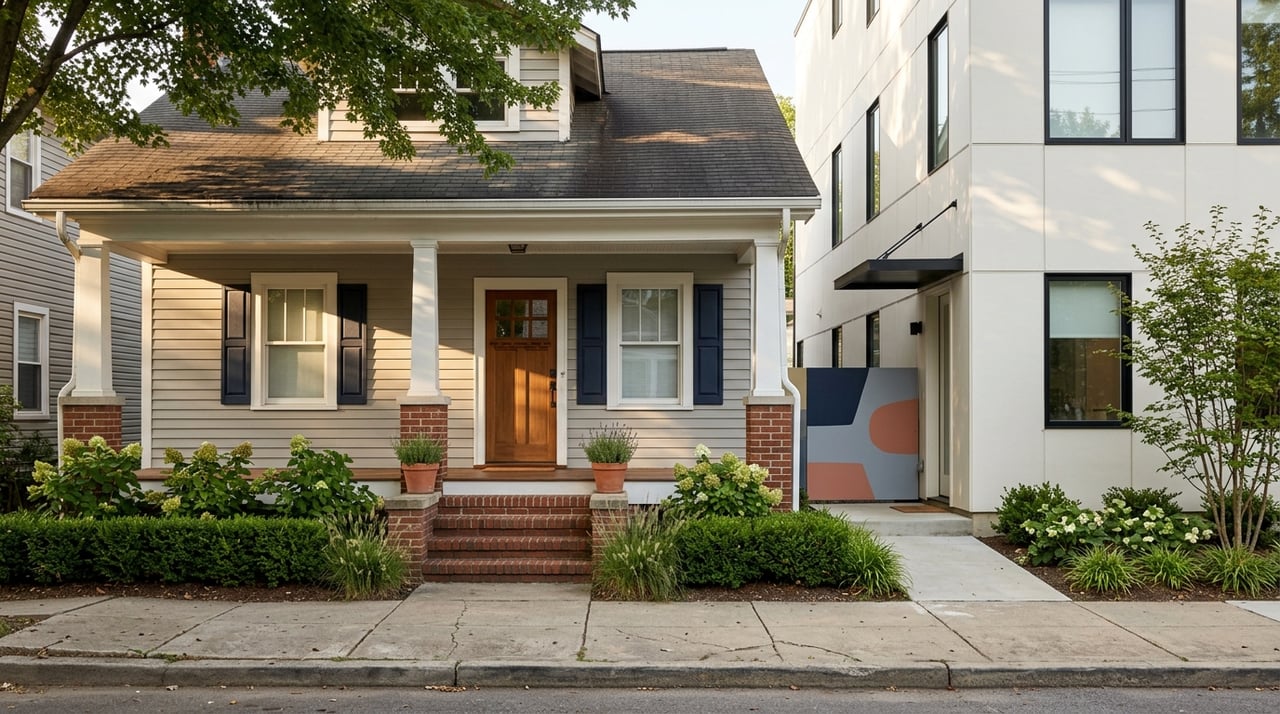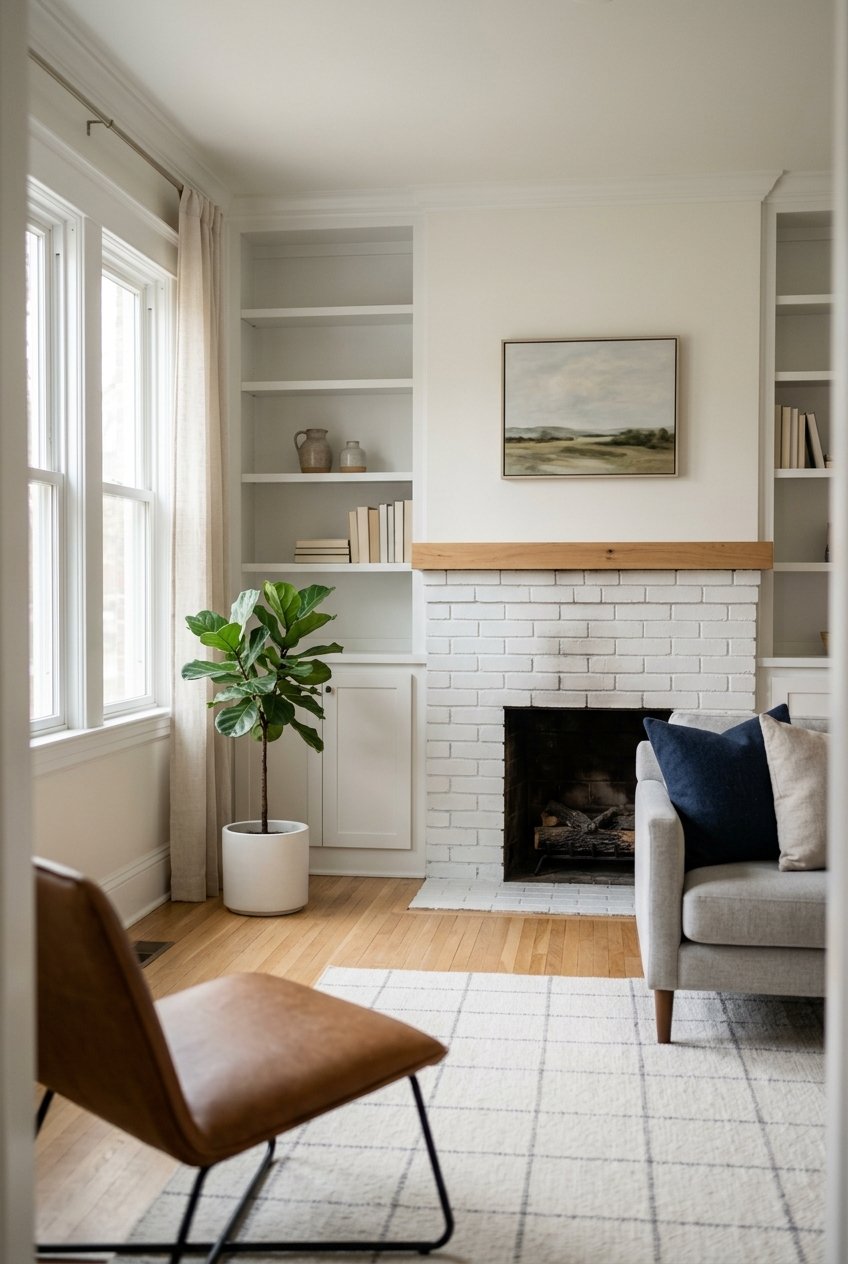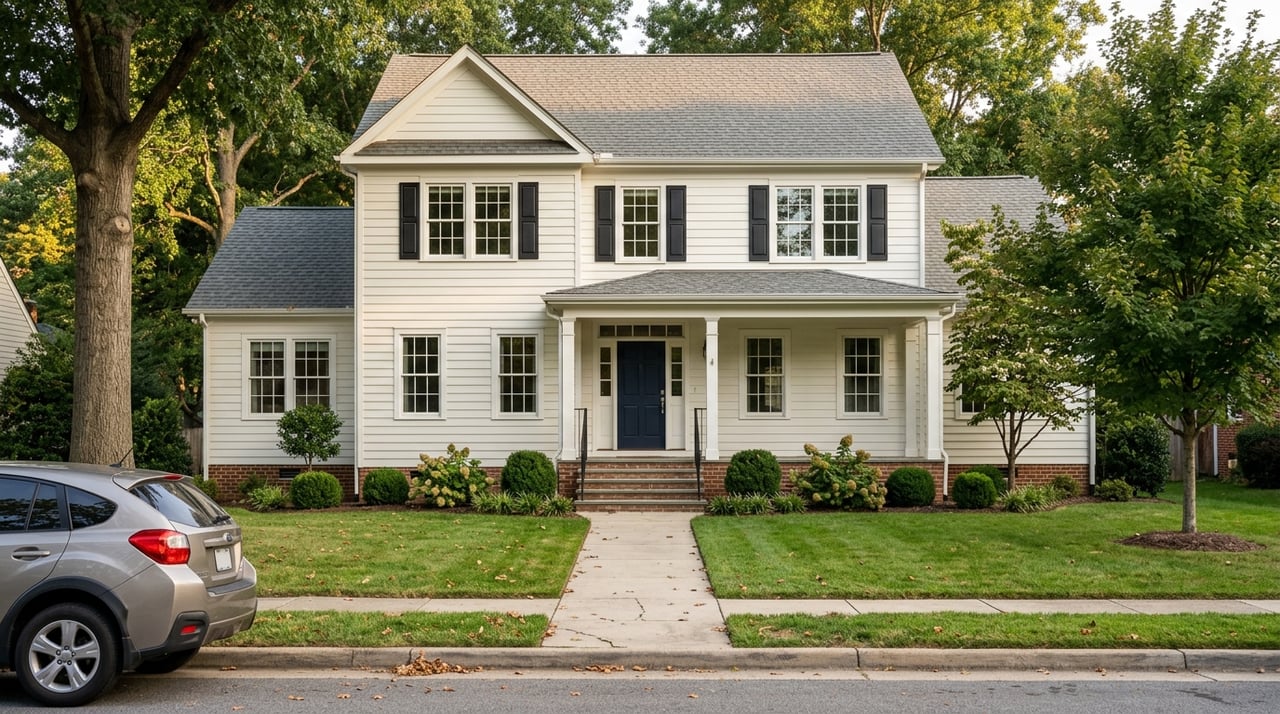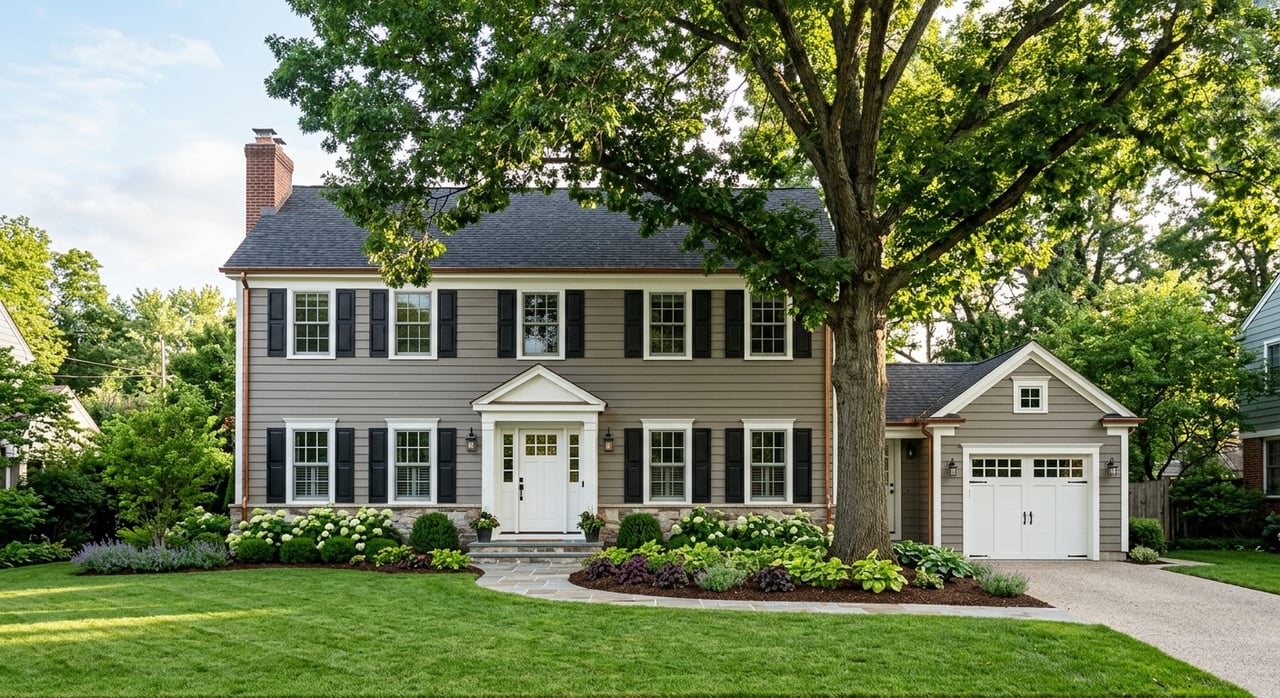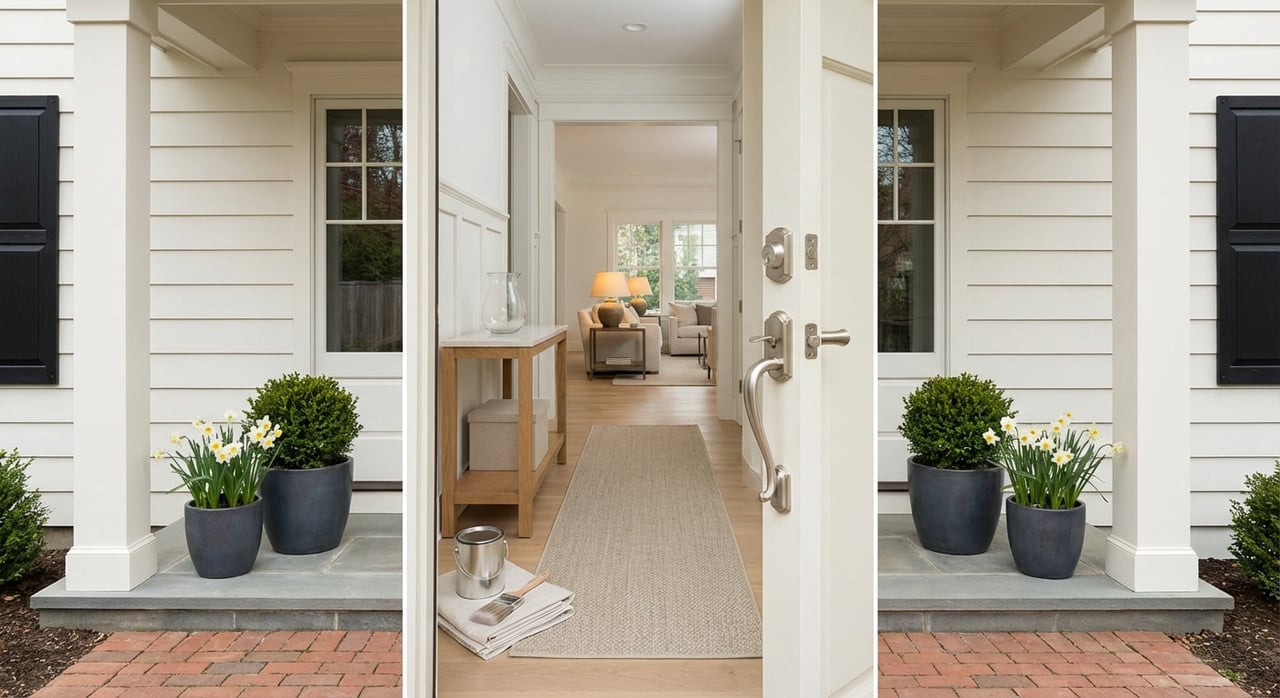
Spring buyers move fast in Silver Spring. If you want top dollar and fewer headaches, the work starts weeks before your home hits the MLS. You are juggling timing, repairs, staging, permits, and legal forms, all while planning your next move. This guide gives you a simple, local plan that fits the spring window, highlights what buyers here value, and helps you avoid last‑minute stress. Let’s dive in.
Why spring matters in Silver Spring
Spring, especially mid March through May, brings the strongest buyer traffic in our area. Annual seasonality studies show the week around mid April often delivers faster sales and higher prices versus the yearly average. In a transit‑oriented market like Silver Spring, that early spring surge is real.
Recent public data put Silver Spring’s median home values in roughly the $500,000 to $610,000 range, depending on property type and source. Exact timing and pricing still come down to your block, your home’s condition, and nearby comps. Aim to be market‑ready 4 to 8 weeks before your ideal April launch so you can capture early interest.
Silver Spring buyers pay close attention to commute options and condition. Proximity to the Red Line and major bus corridors is a frequent driver of demand, and service updates can influence buyer planning. You can monitor regional updates through the WMATA Red Line construction page.
Your 8 to 12 week prep plan
A focused timeline keeps you on track without overspending. Adjust these steps to your home’s starting condition and your calendar.
8 to 12 weeks out: Plan and assess
- Interview and hire a local listing agent who knows your micro‑market. Ask for a comparative market analysis using the most recent nearby sales and a spring launch plan.
- Consider a pre‑listing inspection for older or complex homes. This helps you spot safety and system issues early so you can choose the right fixes on your schedule.
- Map your budget and priorities. Focus funds where buyers notice and where inspections often uncover issues.
4 to 6 weeks out: Tackle repairs and smart upgrades
- Prioritize safety and systems first. Roof condition, electrical panel and GFCIs, plumbing leaks, drainage, moisture in basements, and HVAC operation are common inspection points. Fixing these often reduces negotiation risk.
- Handle small cosmetic wins after systems. Fresh neutral paint, carpet or floor touchups, and updated hardware can lift perceived value without breaking the bank.
- Choose improvements that match your comp band. Exterior projects and small‑scope interior updates often recoup well at resale. You can use national ROI rankings from the Remodeling Cost vs. Value study as a starting point, then adjust to local comps. See the 2025 Cost vs. Value report.
2 to 3 weeks out: Clean, stage, and photograph
- Deep clean and declutter every room, closet, and storage area.
- Stage high‑impact spaces such as the living room, kitchen, and primary bedroom. The National Association of REALTORS reports these rooms matter most to buyers and that staging can help homes sell faster and for more. Read the latest NAR staging findings.
- Book professional photos, a floor plan, and a simple virtual tour. Great visuals are your first showing.
Final 7 days: Polish and launch
- Boost curb appeal. Refresh mulch, edge beds, trim bushes, pressure wash walkways, and paint the front door.
- Set showing rules with your agent and confirm marketing copy, photos, and disclosures are ready.
- Consider an early‑week go‑live to build momentum into the first weekend.
High‑ROI improvements for Silver Spring homes
Not every project pays back the same. Aim for “just right” in your neighborhood, not “HGTV everywhere.”
Start with systems and safety
- Visible leaks, old or unsafe electrical components, drainage issues, and failing HVAC often turn into steep credits during inspection. Fixing these before launch can protect your price.
- If you complete repairs, keep invoices and warranties to share with buyers. Documentation builds trust.
Exterior projects that tend to perform
- Small exterior updates often deliver strong resale performance. National data in the Cost vs. Value report shows upgrades like quality entry or garage doors and siding improvements can recoup a high share of cost. Use local comps to right‑size the scope.
- Focus on what your photos will capture. A tidy lawn, fresh paint on trim where needed, and clean hardscapes create a strong online first impression.
Cost‑smart interior refreshes
- Minor kitchen refreshes, midrange bath updates, and paint can help buyers see “move‑in ready.” Think hardware swaps, lighting updates, grout refreshes, and clean, bright walls.
- Keep finishes neutral and consistent with nearby listings. Over‑improvement beyond the neighborhood ceiling rarely pays back.
Staging and first impressions
Staging helps buyers visualize living in your home, which is key in an online‑first market. Agent surveys in the NAR staging report note shorter market times and modest price lifts when homes show their best.
- Scope and cost vary. National averages for staging often run about $800 to $3,000, depending on whether you hire a consultant or bring in rental furniture. See typical ranges in HomeAdvisor’s staging cost guide.
- If you will be occupying the home, focus on the living room, kitchen, and primary suite. Reduce decor, open sightlines, and keep surfaces clear.
- If the home will be vacant, consider light furniture in key rooms or virtual staging for online marketing.
Disclosures, permits, and inspections you must know
Selling in Maryland and Montgomery County comes with specific requirements. Handle these early so you are not scrambling at contract time.
- Maryland disclosures. For most single‑family residential sales, you must deliver either the Residential Property Condition Disclosure Statement or the Residential Property Disclaimer Statement. Review the statute at Maryland Real Property Code §10‑702. Complete this with your agent before listing.
- Lead paint rules for pre‑1978 homes. Federal law requires you to provide buyers with lead information, share any reports, and offer a 10‑day window for lead inspection unless waived. See the EPA’s updated resources and forms here.
- Permits and historic areas. Many exterior or structural projects require county permits, and homes in historic districts may need a Historic Area Work Permit. Start with the Montgomery County Department of Permitting Services and the Historic Area Work Permit guide if you are in a designated area. Confirm HOA rules before exterior changes.
- Pre‑listing inspection. A seller‑ordered inspection can reveal issues you can fix on your timeline and can be a marketing tool if you share receipts or a summary. Typical home inspection costs often fall around $300 to $600 for a standard inspection. See national cost benchmarks in Angi’s inspection cost guide. Remember, if you learn about a material defect, you may need to disclose it under Maryland law.
Pricing, comps, and launch timing
In Silver Spring, block‑level comps guide both price and prep. Downtown condos near Metro, townhomes in communities like Longmead, and single‑family homes in neighborhoods such as Woodmoor, Woodside, and Forest Glen can behave differently, even in the same month.
- Work with your agent to analyze the nearest 0.25 to 0.5 mile recent sales, ideally from the last 30 to 90 days. Match your finish level and pricing strategy to what buyers have recently paid for similar homes.
- Pick a launch week that aligns with buyer traffic, then get everything ready two to four weeks early. If showings are slow in the first 7 to 14 days, adjust quickly.
What Branches Realty does for you
You should not have to coordinate everything alone. As a boutique, neighborhood‑first brokerage, we help you:
- Build a plan tied to Silver Spring’s spring surge, including a target launch week and a room‑by‑room prep list.
- Right‑size improvements with local comps so you do not overspend. Our agents bring design and renovation insight to focus on value‑add fixes.
- Line up trusted vendors for pre‑listing inspections, handyman and system repairs, cleaning, landscaping, and staging.
- Produce modern, polished marketing with professional photography, floor plans, and a showing plan that builds weekend momentum.
Ready to get your home market‑ready for spring buyers? Connect with Licia Galinsky to map your timeline and next steps.
FAQs
When is the best time to list a Silver Spring home in spring?
- Spring buyer activity usually peaks from mid March through May, and the week around mid April has historically been one of the strongest listing windows, so plan to be market‑ready 4 to 8 weeks before that.
Do I need a pre‑listing inspection in Montgomery County?
- It is optional, but it can surface major issues early, let you fix them on your schedule, and support your pricing story, though you must disclose material defects you learn about.
Which updates deliver the best resale value in Silver Spring?
- Small exterior improvements and targeted interior refreshes often recoup well based on national benchmarks; match scope to nearby comps and use the Cost vs. Value report as a starting point.
What disclosures are required for Maryland home sellers?
- Most sellers must provide either the Residential Property Condition Disclosure Statement or the Residential Property Disclaimer Statement under Maryland Real Property Code §10‑702.
Do I need permits for exterior work before listing in Silver Spring?
- Many exterior or structural projects require permits, and historic‑district homes may need a Historic Area Work Permit; start with the Montgomery County DPS and the HAWP guide.