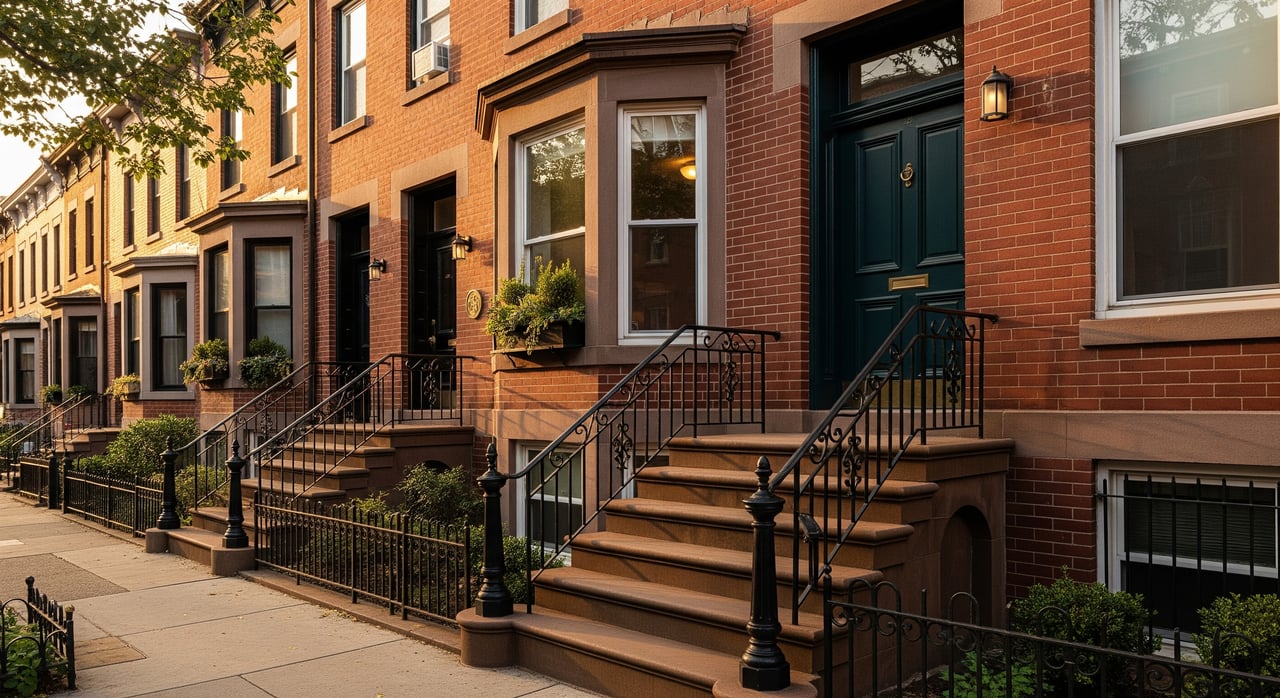
Thinking about buying your first DC rowhouse in Columbia Heights? You’re not alone. These classic, attached homes offer character, space, and an urban lifestyle that’s hard to beat. As a first-time buyer, you want clarity on what you’re getting into, from ownership and inspections to permits and parking. This guide breaks down the essentials so you can shop with confidence and plan your next steps. Let’s dive in.
What makes a DC rowhouse
DC rowhouses are attached single-family homes that share one or both side walls with neighbors. In Columbia Heights, many were built between the 1870s and 1930s. You’ll see brick facades, timber framing inside, flat roofs with parapets, and lots that are narrow and deep.
You’ll also spot a mix of architectural styles. Common eras include Italianate, Second Empire, Victorian and Queen Anne, along with early Edwardian forms from the late 1800s and early 1900s. The design details vary, but most homes prioritize vertical living with multiple levels.
Floorplans you’ll see
- Parlor or stacked plans: A formal parlor and dining room on the main level, with the kitchen at the rear or on a lower level.
- Side-hall layouts: A hallway along one side with rooms opening off it, often in narrower homes.
- English basements: A partially below-grade level used for a den, kitchen, or in some cases a rental space, depending on permits and code compliance.
Many homes have 2 to 4 stories plus a basement or attic. Rear additions, roof decks, and attic conversions are common upgrades.
Lots and outdoor space
Lots are typically narrow and deep. Expect a front stoop, sometimes a small front patch, and a compact rear yard. Some properties back onto an alley, which can mean easier access or potential parking, but alley access and off-street parking are not universal.
Ownership types explained
Rowhouses in DC are most often fee simple. That means you own the structure and the land. You’re responsible for all maintenance inside and out, including the roof, masonry, windows, and systems, along with property taxes and insurance for the whole building.
Some rowhouses have been converted into condominiums. In that case, you own your unit while sharing ownership and costs for common elements through an association with monthly fees. Lenders often review the condo association’s financials and insurance. FHA and VA approvals can matter for certain loans.
Co-ops exist in DC but are less common in classic rowhouse stock. You purchase shares in a corporation rather than a deeded unit, and both approvals and financing work differently.
For a first-time buyer, the trade-off is simple. Fee simple gives full control with no HOA fees, but you carry the full maintenance risk. Condos offer shared responsibilities and rules that can help stabilize costs, but you trade some control for association governance.
Inspections that matter for rowhouses
Older DC rowhouses reward careful inspections. Choose a home inspector who knows historic and attached construction. Consider the following high-priority items:
- Roof and parapets: Flat roofs and parapet walls are common. Ask about roof membrane age, flashing, and any patching. Water intrusion at parapets is a frequent issue.
- Masonry and pointing: Brick and mortar deteriorate over time. Look for areas that need repointing, and flag any bowing or bulging walls for a structural engineer.
- Foundation and basement moisture: Drainage, sump pumps, and waterproofing matter in older basements. Ask about past water intrusion and whether any work has warranties.
- Chimneys and fireplaces: Mortar decay or leaning stacks are not unusual. Many chimneys are decorative. Have flues inspected before any use.
- Electrical: Older panels (often 100-amp) and vintage wiring can limit capacity. Check for knob-and-tube or ungrounded outlets if the home has not been fully updated.
- Plumbing: Cast-iron or galvanized piping can corrode. Test water pressure and drainage. Understand the age of supply and waste lines.
- Insulation and windows: Many homes retain single-pane historic windows and have limited wall or roof insulation. Expect higher utility costs unless upgrades were completed.
- Pests: Inspect for termites, carpenter ants, and rodent access, especially in basements, attics, and sill plates.
Because many DC rowhouses predate 1978, federal law requires lead-based paint disclosure. Review any disclosures closely and ask questions if you plan to renovate.
Permits, zoning, and historic review
In DC, major changes require permits through the Department of Buildings (formerly DCRA). Structural work, adding stories, building a rear addition, creating separate units, or adding a roof deck will need approved plans and inspections. Confirm that past renovations have permits and final inspections, and check for open permits before closing.
Many neighborhoods in DC have historic districts or individually listed landmarks. If your rowhouse is within a historic district, exterior changes that affect what is visible from the street, including windows, stoops, and rooflines, often require review by the Historic Preservation Office and the Historic Preservation Review Board. Interior changes are generally not regulated unless specifically designated.
Zoning rules also shape what you can build. Lot occupancy, rear yard depth, and roof structures have limits, and some projects need special exceptions or variances. If you are planning any significant changes, loop in an architect early and budget for the permit process.
Renovations common in Columbia Heights rowhouses
Buyers often modernize kitchens and baths, finish basements, replace mechanicals, and add living space with rear additions. Roof decks are a popular way to gain outdoor space, especially on flat roofs. Costs vary widely. Expect structural engineering, party-wall coordination, and permit and architect fees as part of larger projects.
Energy and comfort upgrades also pay off. Insulation, air sealing, high-efficiency HVAC, and window improvements can reduce operating costs. If you are in a historic district, plan for review if changes affect visible exteriors.
If you want to create a rental unit or accessory dwelling in a basement, you will need permits and must meet building and zoning codes. Egress, ceiling height, ventilation, and separate utilities are common hurdles. Confirm certificate of occupancy rules and speak with your lender about rental income if you plan to factor it into your financing.
Parking and outdoor space in Columbia Heights
On-street parking with a Residential Parking Permit is the norm in central DC neighborhoods. Many rowhouses do not have off-street parking. Where an alley exists, some homes have a garage or a paved rear yard used for parking. Deeded parking is valuable but not guaranteed in older housing stock.
Adding new off-street parking can be challenging and may require alley access, zoning review, and permits. In historic districts, curb cuts or new garage openings can be restricted. If parking is a key need, focus your search accordingly and ask your agent to verify any claimed parking rights.
Private outdoor space is typically modest. Many buyers trade a smaller yard for walkability and transit access. Roof decks are a common solution if you want outdoor living without giving up interior space. Remember that shared party walls and close quarters mean sound travels. Pay attention to noise between units and how roof decks or rear additions affect privacy.
Financing and budgeting for older homes
Most fee simple rowhouses are eligible for conventional financing, and FHA or VA loans are generally available for single-family attached homes. Condo units face stricter approval rules, so your lender will review the association’s status if you go that route.
Appraisers use comparable sales. Homes with significant deferred maintenance may appraise lower if there is substantial work ahead. Renovation loans, such as FHA 203(k) and Fannie Mae’s HomeStyle Renovation, can help finance eligible improvements, subject to program limits and lender requirements.
Insurance premiums reflect risk. Older wiring, roofs near end-of-life, or aging plumbing can increase premiums. In some cases, lenders may require certain upgrades before closing. Plan a post-closing reserve for items like roofing, electrical capacity, or HVAC replacement.
Buyer checklist: DC rowhouse edition
Use this quick checklist to keep your search and due diligence on track.
Pre-offer due diligence
- Hire an inspector experienced with DC rowhouses and older construction.
- Request seller disclosures, including required lead-based paint disclosures for pre-1978 homes.
- Review past permit history and final inspections for any recent work.
- Verify lot lines, easements, party-wall agreements, and any deeded parking or alley rights.
- Ask about prior water intrusion, basement flooding, sump pumps, and any waterproofing warranties.
- Confirm property tax status and homestead deduction eligibility with the DC Office of Tax and Revenue.
Inspection priorities
- Consider a structural engineer if you see wall bowing, settlement, or chimney issues.
- Schedule an electrical evaluation for capacity and safety if systems are older.
- Get a pest inspection for termites and other wood-destroying organisms.
- Assess moisture and ventilation in basements and bathrooms.
Before closing
- Confirm no open permits or code violations with the Department of Buildings.
- Verify the certificate of occupancy if there is a rental unit or separate dwelling.
- Clarify condo documents and financials if the property is a condo conversion.
- Obtain quotes for insurance and, if needed, contractor estimates for immediate repairs.
Is a rowhouse right for you?
A DC rowhouse gives you historic character, multi-level living, and a neighborhood lifestyle near transit, shops, and restaurants. You will trade larger private yards and guaranteed parking for walkability and urban energy. You also take on the responsibilities that come with older systems and structures.
If that balance fits your goals, a Columbia Heights rowhouse can be a smart first home with strong long-term appeal. With the right prep and expert guidance, you can navigate inspections, understand permits, and plan upgrades that keep the home’s character while improving comfort and efficiency.
Ready to explore homes and make a confident plan? Talk with a boutique broker who understands DC’s housing stock, permitting, and renovation realities. Connect with Licia Galinsky to get local guidance tailored to your goals.
FAQs
What is an English basement in DC rowhouses?
- An English basement is a partially below-grade level that often serves as living space, a kitchen, or a rental unit when permitted, with its own entry and code-compliant egress.
How does fee simple ownership affect costs for a rowhouse?
- You own the structure and land, so you pay for all maintenance inside and out, including the roof, masonry, windows, and systems, along with property taxes and full-building insurance.
What permits are needed for a roof deck on a Columbia Heights rowhouse?
- You generally need building permits and inspections, and if the home is in a historic district, expect historic review; structural plans and party-wall considerations are typical.
How does parking typically work for Columbia Heights rowhouses?
- On-street parking with a Residential Parking Permit is the baseline; some homes have alley-access parking, but off-street spaces are not universal and adding new ones can require approvals.
Are historic district rules a barrier to renovations on DC rowhouses?
- Not necessarily; interior work is usually flexible, but exterior changes visible from the street often need Historic Preservation Office review and approval before permits are issued.
What should first-time buyers budget for after closing on an older rowhouse?
- Plan a reserve for near-term items like roof maintenance, electrical panel upgrades, HVAC replacement, and masonry or waterproofing work, based on your inspection findings.